|
Why do people paint their trees white? Is it a rural fable? A picket fence prank? Or, is there real science behind the idea of painting tree trunks white? 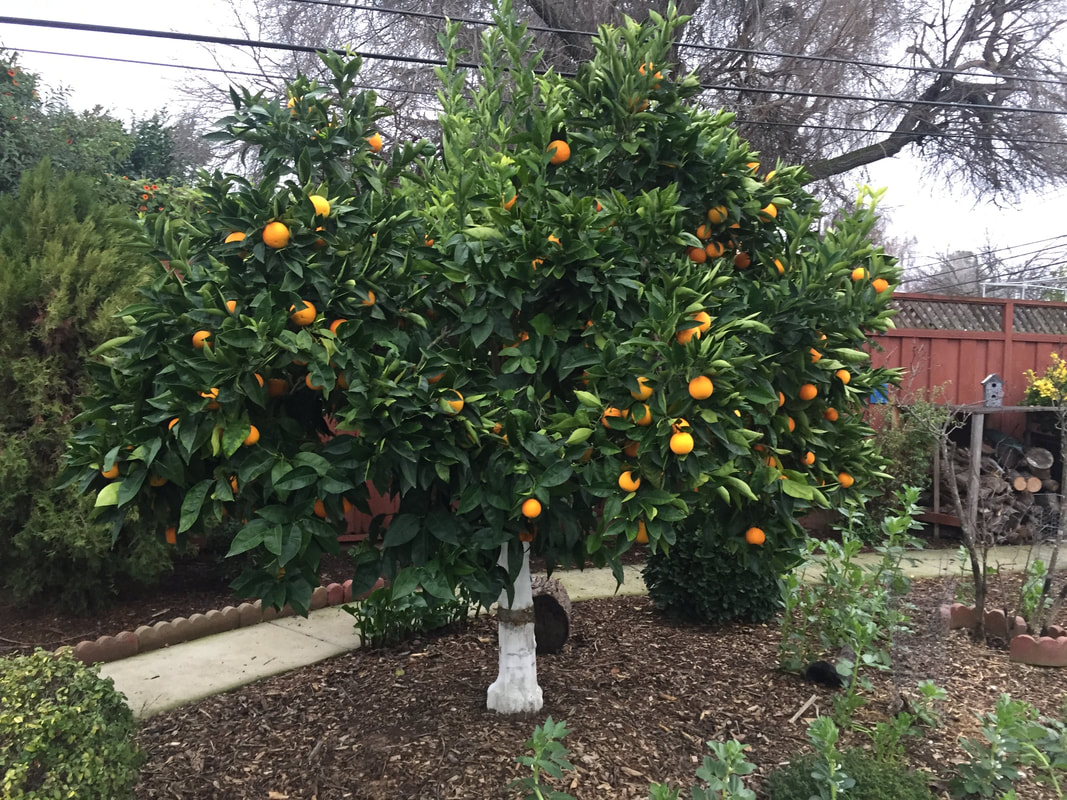 Valencia orange tree protected with whitewash and sticky barrier. It ends up, there are very good reasons for painting both the trunk and the upper sides of exposed branches with a certain type of white paint to protect against sunburn, pests, and disease. Benefits of whitewashing An annual application of whitewash reduces sunburn damage by reflecting sunlight away from the tree. Sunburned bark frequently splits and curls, providing easy access for numerous pests and diseases. This is especially true for borers, such as shot hole borers and flathead borers, as well as moth larvae, beetles, and horntails. Whitewashing has also been found to discourage rodents, such as voles, mice, and rabbits, from gnawing on the trunk. The paint also helps protect against frost damage. What type of paint should be used? Whitewashing is one of those ‘too much of a good thing is a bad thing’ situations. Using enamel (the wrong paint) can kill young trees. So can using latex (the right paint) if it is undiluted. Traditionally, whitewash was made from slaked lime and chalk. It was a poor man’s paint that tended to rub off onto your clothing if you brushed against it. While this material has mild antibacterial properties, mixing it can be messy. When you head to the paint store, or go digging around in your garage, make sure that you only use interior latex, and not enamel or exterior latex. Exterior paint may contain harmful additives. The important thing to look for is the "VOC" - these letters stand for "volatile organic compounds". These compounds can be dangerous to trees and humans. Paints listed as being VOC-free or being low in VOCs are better choices, health-wise. Whitewashing should only be done with interior latex paint that has been diluted with water. Use a mixture of half water and half interior latex paint. 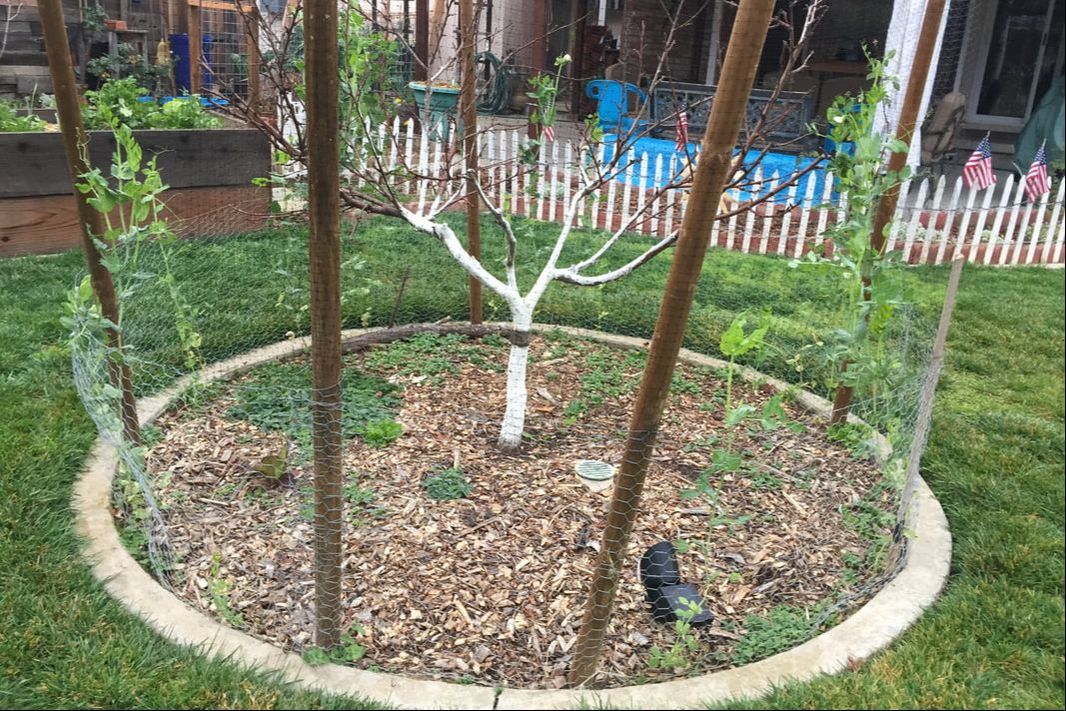 Whitewashed nectarine tree How much of a tree should you paint? Newly planted bare root trees should be painted completely. To protect mature trees, pull the soil away from the trunk to a depth of 2 inches and paint the entire surface to a height of 2 to 4 feet, depending on the tree. After the paint has dried, put the soil back in place. The upper surfaces of branches that are exposed to sunlight should also be painted.
When should I whitewash my trees? Whitewash is applied after dormant pruning and dormant oil spraying are complete. This is usually in January or February, but you can whitewash your trees at any time that will allow the paint to dry. After it has dried, you can give your trees added protection from crawling pests with a sticky barrier. 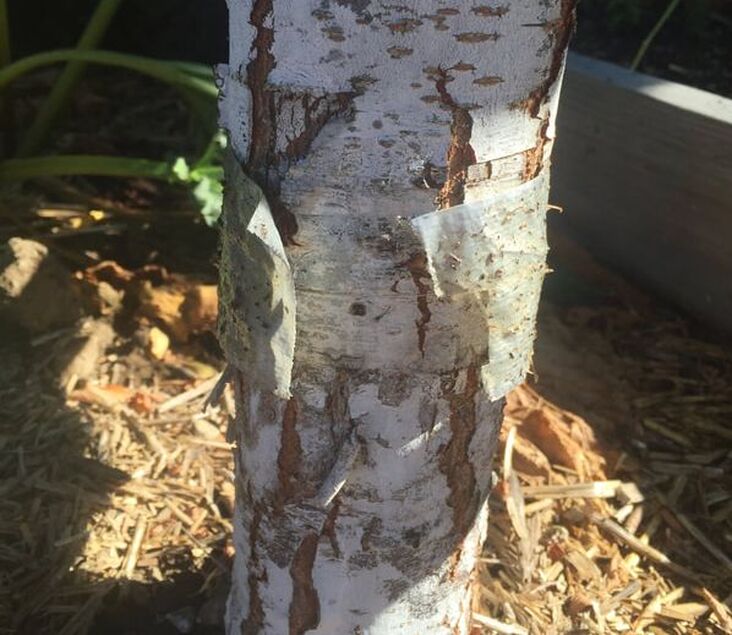 Unmaintained whitewash and sticky barriers are useless. (Kate Russell) The paint and the sticky barrier will need to be reapplied each year, to maintain their usefulness.
Pine trees, junipers, the mighty redwood are all members of an ancient family, the conifers. Conifers have been around for 300 million years. They were the dominant plant of the Mesozoic Period, or the Age of Reptiles, and a primary food of many herbivorous dinosaurs. Adding conifers to a landscape is an excellent way to create year round color. They make excellent anchor plants and they often create food and habitat for wildlife, increasing your garden’s biodiversity. All conifers are perennial woody plants that get thicker and larger with age. The secondary growth that allows a giant redwood to attain its amazing size all takes place in the cambium layer, just under the bark. Conifers (Pinophyta) are unlike many of our common garden plants, and for several reasons. The most obvious difference is that conifers are gymnosperms, which are cone-bearing seed plants.  Giant sequoia (Wikipedia) Public Domain Pine Cones Botanically, a cone is called a strobilus. Strobili protect the seeds as they develop. This can take from four months to three years, depending on the species and environmental conditions. Some species of conifer need fire to release their seeds. These cones, in particular, will stay tightly closed for 60 to 80 years, waiting for fire. Cones can range in size from 1/10 of an inch to two feet in length. There are male cones that produce pollen, and female cones, where pollination occurs. Both types of cones are usually found on each tree. Different species of conifer spread their reproductive cycle out over one, two, or three years.
Conifer species While some plant families include thousands of species, the conifers boast only 7 or 8 subfamilies (depending on which botanist you ask) and most of us recognize even fewer. There are less than 630 living species of conifer worldwide. These include pine, cedar, redwood, larch, cypress, fir, Douglas-fir, kauri, juniper, hemlock, yew, and spruce. All conifers are in the Pinales order and the Pinaceae family. Botanists break down the subfamilies in this way:
 Mountain hemlock foliage and cones (Walter Siegmund) CC BY 2.5 Other subfamilies include Araucariaceae and Podocarpaceae, both found in the southern hemisphere, Sciadopityaceae, found in Japan, and Cephalotaxaceae, mostly found in SE Asia.
While there are fewer types of conifers, these trees once covered major portions of North America and they are still the world’s greatest carbon sink. Many conifers are grown commercially for softwood lumber, paper production, and Christmas trees. Stone pines are also grown for their delicious edible pine nuts.  Young female Scots pine cone and foliage (SusquehannaMan) Public Domain  Larch foliage and mature cones (MPF) CC BY 2.5 Conifer characteristics Conifers hold nearly all the records for height (nearly 380 feet tall), girth (over 37 feet across), volume (over 1,400 square feet), and age (4,700 years). While each conifer species is unique, they also share many common characteristics:
 Immature foliage on the left; mature needles on the right (MPF) CC BY-SA 3.0 Pruning pines Pruning pines is different from pruning other trees and plants. Where most plants will sprout at the bud nearest a cut, pines only have one growing tip per branch. If this growing point is cut off, the branch will die. Pruning conifers is done before the branches actually form. As newly expanding buds, or candles, are seen, they can be allowed to grow, or they can be pinched back. Candles can be pinched back partially or completely. Candles are where the needles emerge. The bud is pinched back just as the needles begin to emerge. Where you pinch will dictate where new growth buds will form. Pine needles Looking closely at the needles of a conifer is one of the easiest ways of telling the different species apart. If the needles occur in bunches of two, three, or five, it is most likely a pine. If the needles occur singly, it is probably either a spruce or a fir. If that single needle rolls easily between the palms of your hand, it is spruce. [It actually has four sides, but you probably won’t be able to tell.] If the needle feels flat and does not roll easily, it is a fir. Conifer pests and diseases Bark beetles and their larva (roundhead borers) can cause significant damage to members of the pine family. Adelgids, aphids, spider mites, spittlebugs, conifer twig weevils, nematodes, and sawflies can also cause problems. The larva of several moths, including the clearwing, rusty tussock, Douglas fir tussock, spruce budworms, and the Douglas fir pitch moth all feed on conifers. These evergreens are all susceptible to canker diseases, root rot, crown rot, slime flux, and needle casts. Some of these pests can be captured with sticky barriers.  Yew, fruit and foliage (Muffet) CC BY 2.0 The biggest problems faced by homeowners with conifers are wind, heavy rain, and flooding. Like many other trees, conifers have a shallow root system that spreads out very close to the soil surface. Because these trees carry so much weight above ground, they can tip over. This makes it very important to install potentially large trees far enough away from structures, such as your home, chicken coop, or garage, to prevent serious harm in the case a tree falls.
Did you get a conifer during the last holiday season? If so, check out my handy holiday plant care page! Does ‘decurrent’ mean that your fruit and nut trees have gone out of fashion?
No, that would be démodé and left entirely to personal opinion. Decurrent may refer to a tree's (or a leaf’s) overall growing behavior, or it may mean you have some pruning to do. Decurrent trees Trees are described as either decurrent or excurrent. Excurrent trees have a single trunk all the way to the top. Pines and most other gymnosperms are examples of excurrent trees. Most shrubs and angiosperm trees are decurrent. Decurrent trees get most of their structure from scaffold branches. Scaffold branches are lateral (side) branches that are no more than half the diameter of the main trunk (less than one-third is even better). Most fruit and nut trees are decurrent. The decurrent growth is caused by weak apical dominance. Apical dominance simply means that the main central stem grows faster than everything else. Decurrent leaves Some leaf blades wrap themselves around a length of stem. These are decurrent leaves. The grass in your lawn is decurrent, as is mullein. The gills of a mushroom are also described as decurrent because the gills of many varieties are attached downward on the stem. Pruning decurrent trees Decurrent trees should be pruned in such a way that the main trunk is kept to approximately two-thirds of the tree’s overall height. The trunk, or central leader, should not be topped or headed back unless necessary to control for size. Secondary trunks are removed and the overall structure of the tree is developed with scaffold branches. Decurrent trees with multiple trunks are more prone to storm damage, but they tend to grow that way naturally. These extra trunks should be removed. Decurrent branches Branches that grow upward get more sun and tend to be mostly vegetation (leaves). Branches that are predominantly horizontal produce the most fruit. Decurrent branches, the ones growing from the bottom of supporting branches, tend to lose vigor and generally only produce small fruit. This is not the same thing as a heavily laden branch being pulled downward by the weight of its harvest. Decurrent branches should be removed as soon as they are seen, taking care to not damage the branch collar. Decurrent branches can also increase the chances of torn limbs, if the crop is particularly heavy. Removing these downward facing branches will redirect your tree’s efforts toward the more productive branches. Decurrent is not the same thing as those squash plants that someone forgot water last August. That’s wilting. Decurrent is a growing behavior, not a dying behavior. People have gone ape over bananas for a very long time - but can you grow your own? The answer is yes, you can!  Left to right: plantain, red banana, apple banana, and Cavendish (TimothyPilgrim) CC BY-SA 3.0 Native to Indomalaya and Australia, bananas are believed to have been first domesticated in Papua New Guinea around 6,000 years ago. Bananas are the world’s largest herbaceous flowering plant. Standard banana plants can reach 45 feet in height, but most end up only 16 feet tall. Dwarf varieties can range from 4 to 12 feet in height. According to Guinness World Records, the largest bunch of bananas held 473 bananas and weighed in at 287 pounds! The banana plant Most people refer to the banana plant as a tree, but it isn’t. Bananas plants are perennial herbs that grow from rhizomes. (If you recall, rhizome are underground stems that grow horizontally and herbs, in this case, are non-woody plants.) The fruit, technically, is a berry. The trunk of a banana plant is a false stem, called a pseudostem, made from tightly wrapped leaf sheaths that grow out of a mat or stool, called a genet, that forms a crown.  Banana crown (Obsidian Soul) Public Domain Each year, from the genet, new shoots will emerge to replace the parent plant, after its fruiting cycle is complete. The first lateral shoots to come through the soil surface are called peepers. As they grow, they are called suckers. There are two types of suckers: water suckers and sword suckers. Water suckers have broad leaves and a small rhizome base. These do not develop into plants strong enough to support a crop. Sword suckers are just the opposite, with a large rhizome and narrow leaves. Newly emerged leaves that are still rolled up are called cigar leaves and they are very fragile. Once foliage leaves are present, they are called maidens. The sucker selected to replace the parent plant each year after fruiting is called the follower or ratoon. Banana flowers From the central growth of leaves, a floral stem or aerial true stem, also called the banana heart, emerges with a cluster of female (pistillate) flower. Each of these female flowers develop a seedless berry by parthenocarpy (fruit development without fertilization). These flowers are arranged into two rows that, ultimately, become a bunch, or hand, of bananas. Before that happens, however, those female flowers become longer and skinnier. Then, the far end of each female flower becomes a male flower! These males may or may not produce fertile pollen. Sometimes, in-between the female and male flowers, a third, hermaphroditic, flower emerges. These neutral flowers do not produce pollen or fruit.  Banana flower (Ruestz) CC BY-SA 3.0 Bananas as food We are all familiar with the edible fruit of a banana, but, the banana flower is also edible in the same way that an artichoke flower is edible, except that they will stain your hands the way a beet can. Traditionally, the hands are rubbed with oil before handling these flowers. You need to remove the tough outer petals to reveal the tender heart. It is actually the bracts that are eaten. Bracts are modified leaves that surround the base of an individual flower. The outer petals look like giant pink Belgian endive leaves and make attractive food containers. Also, the leaves and petals are often used much like corn husks and grape leaves are used to wrap other foods for cooking.  Wild banana (Warut Roonguthai) CC BY-SA 3.0 Banana varieties Modern dessert bananas evolved from two wild seed-producing predecessors: Musa acuminata and Musa balbisiana. There are three major types of domestic banana:
From there, a genetic system of cultivar identification has been developed, but we won’t be heading down that rabbit hole. It is enough to know that there are dozens of cultivars, including:
[Note: there is no botanical distinction between plantains and bananas.] Because banana plants grow so quickly and look so nice, some people grow them simply for looks. This means you need to be on the lookout for ornamental varieties when shopping for a banana plant. Ornamental varieties include Ensete ventricosum, Musa ornata, and Musa sikkimensis ‘Red Tiger’. These will never produce fruit. How to grow a banana plant Being a tropical plant, bananas prefer heat, humidity, and sun. They generally do not handle wind or compacted soil very well, so be sure to select a site that is sheltered and has good drainage. You can improve a suitable site by digging in some aged compost ahead of time. [I just ordered my own banana plant and will keep you posted on its development.] Growing bananas in a container Because banana plants are actually rhizomes, it is easier than you might expect to grow one in a container. You will probably want to grow a dwarf variety. The container needs to be at least 24 inches deep. If you live in USDA Hardiness Zones 9 to 11, you will want to keep your containerized banana in the shade during summer afternoons, and bring it indoors over the winter, while the plant is young. Harvesting bananas Ripe bananas look different to certain animals. Some animals, such as zebra finch and reindeer, are able to see ultraviolet light. When they look at a ripe banana, it glows! If you have one of those handy dandy dollar bill checkers, you can see for yourself:
Commercially grown bananas are often picked green and shipped in giant plastic bags that have been sprayed with pesticides. Bananas produce a lot of ethylene gas, a ripening agent, when temperatures are warm enough, so they are kept cool to prevent ripening until they are closer to where they will be sold. The yellow color that we are all so familiar with is not exactly natural for the Cavendish banana, which is the primary cultivar found in stores. This particular banana is still green when ripe. Since shoppers prefer the yellow color, these bananas are placed in pressurized ripening rooms, where they are gassed with ethylene and held at specific temperatures to ensure uniform ripening. These high tech procedures and the economies of scale have made life difficult for small scale banana growers. Today, all banana growers are facing a very big threat.
Pests and diseases of bananas The popular Cavendish banana is facing extinction. Because most bananas are grown using monoculture and a single genome, it is very susceptible to a fusarium fungal disease called Panama disease. Panama disease fungi enter the plant from the soil and start reproducing. This fungal population explosion, in turn, clogs vascular tissue, causing the plant to wilt. This exposes unaffected parts of the plant to so much sunlight that the plant dies. This happened to ‘Gros Michel’ or ‘Big Mike’, the Cavendish predecessor. As early as the 1920s, banana shortages started to occur as a result of this fungal disease. The song, “Yes, We Have No Bananas” actually came out of those shortages! By1960, all ‘Big Mike’ banana plantations were threatened by this disease, so a decision was made to switch over to Cavendish. That worked well enough for the past 50+ years, but the Panama disease fungi has now caught up with Cavendish. Since all Cavendish plants are genetically identical, this could mean the end of the familiar banana. The same thing happened to the potato in 1845 Ireland. Growing large quantities of identical plants is a recipe for vulnerability. If that weren’t enough, there are other fungal diseases that can also infect banana plants, such as black sigatoka. Banana bunchy top is a viral disease that can attacks bananas, along with a bacterial wilt disease. So, before the banana, as you currently know it, disappears from grocery store shelves, you may want to start growing your own! They will never jump through a hoop for you, but you can train your trees to be healthier and more productive.
Tree training helps fruit and nut trees stay healthy, produce larger crops, and avoid broken branches. Proper tree training also reduces the likelihood of pests and disease. Too much fruit and strong winds can result in broken branches. Proper training can prevent these problems. You may not want to go as far as pollarding or coppicing, but training your trees for good structure, air flow, and the retention of productive wood is always a good idea, except when it isn’t. Trees that are particularly large or unstable should never be trimmed or pruned by an amateur. It is too dangerous. When to train trees Most fruit and nut trees are deciduous. This means they go dormant and lose their leaves in winter. This is handy for several reasons. First, it allows you to remove leaves that may be carrying pests or diseases. Secondly, it allows you to see the true structure of your trees. This makes training them a lot easier. The only exceptions are cherry and apricot trees, which should only be pruned in summer, to avoid Eutypa dieback. Making a proper cut You may want to read up on pruning before you start training your trees. Put simply, you will want to make a smooth cut that is flush with, but does not cut into, the branch collar. There is no need to paint or treat these cuts. Your tree will develop a protective callus over the area, all on its own. Tree training basics To maintain a healthy fruit or nut tree in your backyard, you will probably want to keep it pruned to a manageable size. This is usually 6 feet tall and 6 feet wide. If it gets too large, you won’t be able to reach. Surprisingly, trees of this size can still produce a lot of fruit. As with any other pruning job, you will want to remove any dead, diseased, or damaged limbs. You will also want to eliminate one of any pair of crossed branches. These will tend to rub against each other, creating points of entry for pests and disease. As you prune, try to work from the inside out and avoid leaving stubs. You can orchestrate the direction new twigs will take by cutting just above buds that face in the direction you want the new twigs to grow. Do not use downward facing buds as these tend to be weak and break easily. Your overall goal should be to expose the tree’s interior to more sunlight, without risking extensive sunburn damage. The big picture Before cutting, take the time to really look at your tree’s structure and shape. Learn what is typical for that particular species, and think about what you want from your tree over the next several years. Consider issues such as wind exposure, shifting shade patterns, fruit and leaf litter, and tree maintenance. What is proper training for a tree in one location may be completely inappropriate in a different location. If you’re not sure, ask me. You can also look at this fruiting wood characteristics chart, from UC Davis, that can help you decide what to remove and what to leave for another year. Once you have really looked at your tree and prepared your tools, you will need to select the training style best suited to your tree species. The lowest branches are usually at knee height, regardless of the style chosen. Central leader The central leader training style is best suited to semi-dwarf and standard size trees. This style features a single main, vertical trunk. Competing upright shoots are removed and an alternating spiral of lateral branches is encouraged. This is your classic Christmas tree shape. Modified central leader The modified central leader style allows more sunlight into the center than a central leader system. To create this shape, a tree is first trained as a central leader, until it reaches the desired height. Then, the central trunk is topped, or removed, just above the most recent lateral growth. This causes the tree to develop more of an open center. This method is particularly good for cherries and pears. Open center The open center style seems to be the most popular for backyard orchards. In this style, three or four low-growing scaffold (main) branches are encouraged, with the center kept open, like a bowl. Lateral (horizontal) branches make up the sides of this bowl shape and are trimmed back to approximately 30 inches. Fruiting wood will grow from these branches. This method provides good sun exposure and air flow. Also known as vase-shaped training, it is a good method for almonds, Asian pears, and European plums. The “Y” system The “Y” system features two scaffolding branches, heading in opposite directions, creating a “Y” shape. Look at it as a two-dimensional open center style. This method is particularly good for peaches and nectarines. It can also be used for apples, plums, cherries, and pears. Espalier Espalier training is a trellising system used to create a two dimensional shape. This method works well alongside driveways, paths, buildings, and fences. If you end up removing smaller, new wood, you can save these and use them as scions, to create new trees or modify existing trees. They make good gifts for fellow gardeners, as well! Also, as you work closely with your tree, keep a look out for scale and other insect pests that may be overwintering in your tree’s bark. Peaches may be the last thing on your mind as temperatures drop, but autumn is a good time of year to find room on your property for a peach tree. Even if you don’t have room in your yard, dwarf peach varieties can be grown in containers. Peach trees make a lovely addition to a foodscape. Fragrant spring blossoms give way to fruit that practically defines summer. Autumn leaf drop makes pruning easy and what winter would be complete without a surprise dessert of peach cobbler? A mature peach tree can produce up to 65 pounds of fruit each year. That’s over 200 peaches!  Autumn red peach (Jack Dykinga) Public Domain History of the peach Did you know that peach trees have been around for over 2.6 million years? Traditionally thought to be from Persia, genetic research shows that peaches actually originated in China. Also, it was thought that peach cultivation started some 6,000 years ago, until some ancient writings showed that certain kings and emperors, back in the 10th century B.C., favored a delectable peach now and then. So, if you love peaches, you are in good company. The peach tree Peaches and nectarines are the same fruit, like fraternal twins. The only difference is that peaches have fuzzy skin (trichomes) and nectarines are smooth skinned. This difference is due to a recessive gene, the same way blue eyes or red hair occurs. Peaches are in the rose family, members of the Prunus genus, all of which produce fruits called drupes. This makes them cousin to almonds, apricots, cherries, and plums. Peach trees are in a group of plants that use specialized cells for storage, manufacturing, and as weapons. These cells are called idioblasts. Standard peach trees can grow 25 to 33 feet tall and 25 feet wide, if you let them. For the best productivity and tree health, it is better to keep them pruned to 15 feet by 15 feet. Dwarfs can reach 8 to 10 feet. Most peach trees in Maine only live 7 years, while California peach trees live 12 to 20 years. Peach trees and chill hours Before you plant a peach tree, you need to understand chill hours. Each winter, peach trees enter a period of dormancy. Being deciduous, they lose all their leaves and enter a winter rest. During that rest, the number of hours spent between 32°F and 45°F are accumulated (don’t ask me how - I have no idea). These “chill hours” must reach a certain number for a tree to be able to blossom properly in the spring. Once enough chill hours are accumulated, the tree enters a different type of dormancy called quiescence. Depending on the variety, peach trees need 600 to 900 chill hours. When I lived in California, we generally only got 450 chill hours. When selecting a peach tree variety, you want to take chill hours into account. There are several models used to calculate chill hours, and each one gives you different information. Below you can see the chill hour results for the South Bay Area. Go to my page on chilling hours to learn how to get your local information. There are hundreds of varieties to choose from. According to UC Davis, using the Dynamic Model, the following varieties have their chill hours noted alongside:
[Using the Dynamic Model, San Jose receives an average of 52 chill portions each year, so only two varieties would be a good choice.] You can see detailed list of different fruit trees at the UC Davis Home Orchard. Peach varieties Peach varieties are divided between cling and freestone. Those names refer to how easily the fruit comes away from the pit. Freestone peaches tend to have firmer fruit, while clingstone peaches are known for their sweeter taste. Clingstone varieties are harvested May through August, while the freestone harvest extends into October. There is also a hybrid cross between the two, called a semi-freestone, and flat varieties, called pan-tao. Not all peach tree varieties perform well in all regions or microclimates. Check with your local County Extension Office and be sure to verify your growing zone using the USDA Hardiness Zone Map. Growing a tree from a peach pit While you can eat a peach and then plant its seed, this doesn’t always work out the way you expect. Like apples and many other fruits, peach seeds do not necessarily produce offspring that taste as good or grow as well as the stock you buy at your local nursery. This is because most fruit and nut trees are grafted. Grafted trees have an aboveground part from one variety and a root stock from another variety. This is done to take advantage of one variety’s ability to develop strong roots, while other varieties may taste better or be more pest or disease resistant. Also, your pit grown peach tree will not produce fruit for a few years, and some will never produce fruit. If you want to give it a try, you can simply put your peach pit in the ground and let nature take its course, or you can refrigerate the pit until December or January. This method, called stratification, fools the pit into triggering winter processes (vernalization), in preparation for spring. Just soak your pits in water for a couple of hours, and then place them in a plastic bag, along with a little moist soil. This bag goes into the refrigerator, until you see signs of germination. This can take a few weeks or months, depending on the variety and other factors. Since peaches emit high levels of ethylene gas (a ripening agent), you should keep them away from other fruits and vegetables. Once it starts germinating, remove it from its cold environment and let the planting begin! But first, you need to select the best location for your peach tree. Peach tree site selection Peach trees need plenty of sunshine, but they will also benefit from a little protection at the extreme points of summer and winter, if possible. Being susceptible to several fungal diseases, peach trees also need good drainage. Peach trees prefer a soil pH of 6.5. Here, in the Bay Area, we tend to have more alkaline soil, so acidification may help your tree thrive. Of course, you won’t know what your soil is without a test from a reputable lab. Just sayin’… How to plant a peach tree Bare root trees are best planted in January and February. Your peach sapling should be planted right away, or soaked in water for 6 to 12 hours before planting. If you have a bare root tree, gently spread the roots out to see how much space they can use and dig a hole that will accommodate them. This is also a good time to clip off any dead, diseased, or damaged roots. Be sure to rough up the edges of your planting hole. If you don’t, the smooth clay left by your shovel can create a tough barrier for young roots. Containerized and balled trees should be given a hole slightly larger and the same depth as the container or root ball. It is very important that the soil level remains the same. Add soil around the roots and gently tamp it down. This removes air pockets that can dry roots out before they ever get a chance to grow. Mulch around your new tree and water it in well. Peach trees can also be started from twig cuttings called scions. Peach tree care Peaches are self-pollinating, which means that another tree is not needed to produce a crop. If you have room for more than one tree, be sure to space them 12 by 16 to 18 by 18 feet apart. Peaches perform best when trained with what’s called the “Y” system. The “Y” system features two scaffolding (main) branches, heading in opposite directions, creating a “Y” shape. You can picture it as a two-dimensional open center system, which also works with peaches. These tree training systems leave the trees open in the center, allowing lots of air and sunlight to reach the fruiting wood. Peaches can also be espaliered. Feeding and watering peaches Peach trees use a lot of nitrogen. You can use blood meal, ammonium sulfate, or commercial 10-10-10 fertilizer to feed your peach tree. Nitrogen deficiencies in peach appear as red areas on the leaves. Peaches are shallow-rooted, so they are susceptible to water stress during the summer. Too much stress can lead to a condition called bitter fruit that can mean the end of the useful production of your tree, so irrigate accordingly. Near the end of fruit development, deficit irrigation can be used to improve taste and sweetness. While you certainly want to avoid girdling your peach tree with the weedwacker, doing it on purpose, called cincturing, or scaffold girdling, can increase production and fruit quality. You just have to be really careful that you don’t kill your tree in the process. Peach pests and diseases Peaches are susceptible to these bacterial diseases: crown gall, bacterial blight, citrus blast, and bacterial spot. Fungal diseases include stem blight, peach leaf curl, shot hole disease, and brown rot. Armyworms, peach twig borers, earwigs, eugenia psyllid, Japanese beetles, mealybugs, San Jose scale, green fruit beetles, Mediterranean fruit flies, armored scale, eriophyid mites, katydids, and birds are the biggest pests. Luckily, beneficial insects, such as braconid wasps, mealybug destroyers, and tachinid flies love to eat peach twig borers! Pheromone traps can be used to monitor many of these pests and sticky barriers will prevent many pests from ever reaching tender buds, shoots, and fruit. Bordeaux mixture, fixed copper, and dormant oil can be used to prevent or treat some bacterial diseases, fungal diseases, and pest infestations. Kaolin clay can also be used to prevent some pest damage. Since fruiting occurs from pollination by honey bees, flies, and other pollinators, avoid using broad spectrum pesticides. When to harvest peaches Color and smell are good ripeness indicators, when it comes to peaches. Yellow skin, which may or may not have a red tinge, and that amazing sweet summer aroma of ripe peaches are reason enough to give one a try. Taste, ultimately, is the only true indicator of ripeness, but who can complain about conducting that test? If the fruit comes away from the stem easily, it is ripe.  Peach blossoms (Fan Wen) CC BY-SA 4.0 Too much of a good thing
Your peach tree will produce far more fruit than it can support. This leads to a low quality harvest and broken limbs (the tree’s - not yours). You can protect your tree and improve crop quality by thinning flowers and fruit partway through the growing season. First, when your tree is covered with blossoms, leave it alone and enjoy it. As the flowers start developing into tiny fruits, it is time to thin. The basic rule of thumb for thinning fruit is to leave one fruit per spur, with fruit 4-6” apart. Apricots, nectarines and peaches are normally thinned when the fruit is 1/2-3/4” in diameter. Make a place for a peach tree in your yard today for a decade of fresh summer peaches in your pantry! Most of us have read the word coppice somewhere, but what does it mean? And how is it used in the garden? Let’s find out! Similar to pollarding, in which the top branches of a tree are removed, coppicing refers to periodically cutting trees or shrubs back to ground level to stimulate new growth for firewood, basket weaving, or other building materials. Similar to the word ‘copse’, which refers to a small group of trees, to coppice means to strike ‘a blow’ - taken from the Latin colpus. Copse is a shortened version of coppice, probably because after you coppiced a group of trees, you ended up with a copse. Coppicing in history People have been coppicing since pre-historical times. Back in Medieval days, the Lord of the manor, or the king, would allocate a measure of wood to the local peasantry each year from the royal forest. This allotment was called an estover. The stalks left behind when growing fields of corn or cereal grain is called ‘stover’ for the same reason. Depending on the size at cutting time, the wood was often referred to as a “low forest”, middle forest, or high forest.
The biology of coppicing Many trees and shrubs have the ability to put out new shoots, or suckers, from their roots or stump. This can be a royal pain, if you are trying to get rid of a plant. Otherwise, this ability leads to the growth of many thinner, straighter limbs that are well suited to woodworking, basket weaving, wattle and daube fencing, and more. The stump left behind after coppicing is called a stool. Growth rates vary by tree, so a birch tree may be coppiced every 3 or 4 years, for switches, while an oak tree may be coppiced every 50 years, for lumber or firewood. Did you know that cinnamon trees are coppiced for their bark? What’s really strange about coppiced trees is that they never get old. These plants never leave the juvenile stage. Because of that, the stump, or stool, just keeps getting larger in diameter, but the aboveground growth is always young. Some stools have been coppiced for centuries, reaching a diameter of up to 18 feet! Sometimes, it is decided that coppicing is no longer desired, but a mature tree is. In that case, a single stem is left uncut and all the others are removed. This is called singling. [A copse that has been abandoned to reach full height is said to be overstood.] Coppicing as woodland management Traditionally, areas that use coppicing as a management tool do so in sections, called coups. This allows one section to be freshly cut, another to be growing, and yet another to be nearly ready to cut, for a continuous supply of materials. Because of all these various stages of development, copses tend to have a lot of biodiversity. Back in 1544, Henry VIII (yeah, that guy) declared a statute that required coppiced trees be protected from browsers after cutting, and that 12 mature, uncut trees per acre be left in place. These mature trees were called standels. Nowadays, they are called standards. ‘Coppicing with standards’ is still commonly used as a woodland management tool. Coppicing as permaculture As long as the soil nutrients are maintained, these trees and shrubs can produce wood indefinitely. This makes them part of modern permaculture. [Permaculture refers to self-sufficient, sustainable agricultural practices.] Small wood harvested by coppicing can be used to create light fencing to keep out marauding hens, to support poles beans and other climbing plants, as building material, and as firewood. Coppicing as pest and disease management Coppicing can be used to interrupt common pest and disease triangles. Many insect pests overwinter in cracks in the the bark, at stem and twig joints, or in damaged wood. Diseases often lie dormant in the same places. This infested or infected wood is pruned out, along with the useful harvest. Coppicing in the garden Finally! Now that you understand the function, history and usefulness of coppicing, we can see how it is used in the garden. In late winter, before new shoots emerge, you can coppice a variety of trees or shrubs in your garden or landscape. Of course, this only works on plants that can handle heavy pruning. To coppice, simply cut off at or near ground level, while the plant is dormant. In addition to willow and hazelnut, alder, ash, birch, dogwood, elm, hornbeam, oak, and sycamore handle coppicing well. Most of these are broad-leafed hardwoods. Most conifers should not be coppiced, yew being the exception. There are several reasons for coppicing in the garden or home landscape:
 Coppicing infographic (Javier Martin) CC BY 2.5 Trees with a trunk diameter greater than 6 inches may not respond well to coppicing. That’s alright because amateurs shouldn’t be trimming big trees, anyway. It’s dangerous. Seriously. Coppicing can reduce problems associated with too much shade, clogged rain gutters, and shifting foundations. When the upper portion of a tree of shrub is coppiced, some of the underground roots die back. In spring, new roots emerge. Shrubs that can be coppiced include:
Before you start chopping away at trees and shrubs, be sure to learn as much as you can about the species being coppiced and the appropriate frequency for the species. Coppicing too frequently can kill a tree or shrub.
You can grow these tasty nuts in your own backyard, if you have room and patience. The delicious flavor of pistachios doesn’t come cheap. They are not inexpensive and they require effort to pry from their shells. That being said, pistachios have a protein-rich flavor that begs us to eat just one more, and another, and another.  Immature pistachio cluster (Paolo Galli) CC BY-SA 3.0 What are pistachios?
The meat of a pistachio (Pistacia vera L.) is not technically a nut. Like apricots, olives, cherries, coconuts, and mangoes, pistachios are drupes, or stone fruits. Pistachios are the edible seeds held within a hard shell. When these seeds ripen, the shell pops open with an audible pop. In the world of botany, the thing that makes a drupe a drupe is that the fruit develops from a single ovary. How do pistachios grow? Pistachio trees need long, hot, dry summers and gentle winters to produce those hard-shelled nuts. Pistachio trees can tolerate a lot of salinity as long as they get hot, dry summers. Soggy soil will kill your pistachio tree, so good drainage is critical. Pistachios are a slow-growing, alternate bearing, deciduous tree that needs 600 to 1500 chill hours, depending on variety, to produce fruit. Those chill hours can be hard to come by in many warmer regions, but the trees are lovely and some varieties can be very productive. A healthy, mature pistachio tree can produce 110 pounds of seeds every other year. That’s a lot of pistachios! Pistachio varieties The following cultivars have been shown to produce well in the warmer regions:
Pistachio pollination Pistachio trees are dioecious. That means there are both male and female trees. You only need one male for up to 10 females for successful pollination, but these trees get rather large, so you probably won’t have room for more than one of each. Mature trees can reach 33 feet in height and should be spaced 20 feet apart. How to grow pistachios Plant pistachio rootstock from January through early May. Be sure to provide support by inserting a large, heavy stake next to the root ball. You will want the wind to push the tree toward the support for the best development. Irrigate the root ball immediately and follow with regular waterings until the root system is established. This may take several months, so be patient. Your pistachio tree will also need to be fertilized regularly. During the first dormant season, cut the top of the main shoot off, just above leaf buds. This heading cut will promote a solid structure later on. Pistachio pests and diseases A disease called panicle and shoot blight, caused by the Botryosphaeria fungi, kills flowers and young shoots of pistachio trees. In 2011, 50% of the Australia pistachio harvest was lost to anthracnose. Verticillium wilt can also be a problem. Severe drought has also reduced commercial production in many areas. Common pistachio pests include leaf-footed bugs, mealybugs, nematodes, and late season navel orangeworms. Harvesting pistachios After waiting for 5 to 7 years, you will finally be able to harvest your very own pistachios. Like almonds, this is done by shaking the tree. Ripe nuts fall and are collected from the ground. If you see any nuts with mold, toss them in the trash. That particular mold is carcinogenic. Also, be sure to dry your pistachios out completely before storing - they have been known to spontaneously combust. Don’t let all those problems discourage you or scare you off. These beautiful trees can produce an edible crop for decades, if cared for properly. Cling peaches. Freestone fruit. What do those words mean? If you have ever bit into a sweet, juicy peach or nectarine, you may have discovered that the fruit practically fell away from the pit as you neared the center. Or, you may have had to fight for every morsel, leaving behind a ragged, fruit-covered pit. When the fruit comes away from the pit easily, it is called freestone. When the fruit clings to the pit, it is, you guessed it, a cling variety. Texture differences Freestone fruits tend to be more firm than clingstones. This makes them better suited for canning. The clingstone varieties are best for fresh eating, though you can certainly can them, or turn them into a delicious jam or chutney! Harvest times Clingstones are generally harvested May through August, while freestone varieties are harvested May through October. 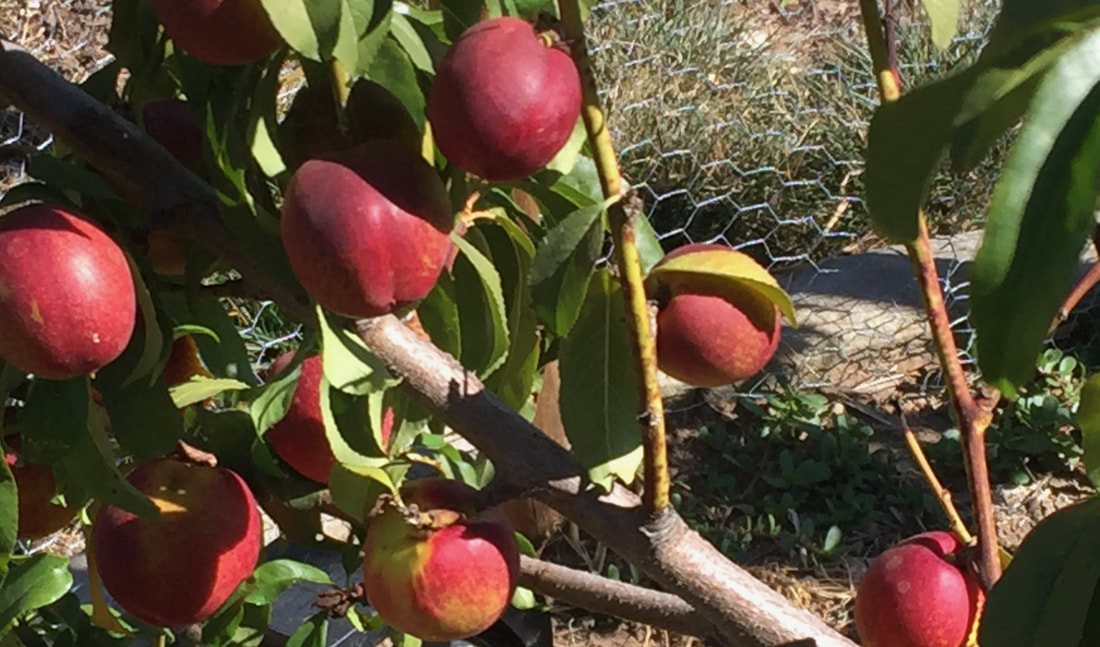 Nectarines If you are going to plant a peach or nectarine tree, take the time to decide which type you want before you plant. Of course, biting into a fresh, sweet peach or nectarine, you won’t care if it’s a freestone or a cling!
Chickens, jays, and mockingbirds can wreak havoc on your fruit and nut tree crops unless you provide protection. Floating eye balloons, hanging old CDs, motion-sensing sprinklers, and noise cannons are just a few of the countless methods ‘guaranteed’ to protect your fruit and nut crop from marauding birds, but most of them do not work; not for long, anyway. Caging your tree is the only way to be sure that you get the lion’s share of your fruit or nut crop.  Caged almond tree The netting used over your tree cage will still allow pollinators easy access. Unfortunately, it also allows codling moths and other flying insect pests to reach your fruit and nut trees. Even so, birds and squirrels can take a big bite out of apple, apricot, almond, nectarine, fig, and other crops. Tree cages can stop that damage before it even starts. Plus, these cages stay up, year round, so there's no wrestling with netting every spring and fall. Store bought vs. DIY tree cages Store bought tree cages can be astronomically expensive and most of the really nice ones are in the UK. The added shipping costs make it impossible or unrealistic for most of us. Luckily, it is surprisingly easy to make a tree cage yourself for less than $50. If you can scrounge old tree supports, it’s even cheaper. Make your own tree cage This tree cage design is intended for dwarf variety trees that will be pruned to 6 to 8 feet tall and 8 feet wide. You can adjust the measurements for bigger trees, but longer lodge poles can be harder to find and more expensive. Use these steps to build your own tree cage:
3. Place one lodge pole in each hole and gently press the dirt you dug up back into the hole, making sure that the drilled hole runs outside to inside of the tree space, rather than side-to-side. You’ll see why in a minute. Also, dig one more hole to create the doorway space. 4. Take both 1”x2” boards and cut a 1/2-inch notch out of the middle of each, only cutting halfway through. I used a handsaw to make the perpendicular cuts and then a hammer and chisel to knock out the chad. Fit the 1”x2”s together in the middle and hammer together into a giant X-shape.
8. Drape bird netting over the X-shape and staple it down to make it taut. Ideally, you want birds and bats to bounce off, not get tangled. Bring the netting down over the sides until it reaches the chicken wire. You can use the wrapping wire from the roll of chicken wire (or string) to “sew” the netting to the chicken wire. I used heavy duty black thread and an embroidery needle.6. Staple 2’ chicken wire to the lodge poles, all the way around.
7. If you are really handy (which I am not), you can build yourself a fancy door. I opted for something far more simple: I cut a piece of bird netting that was larger than the door opening, attached it to the opening at the top, and ran a piece of thin scrap wood through the holes at the bottom. The wood weighs the netting down enough to keep chickens, mockingbirds, and jays away from my fruit and nut trees, and it’s easy to use. For added stability, you can add a cross piece above head height between one of the four lodge poles and the door lodge pole. Pineapple guavas are neither pineapples nor guavas, but they can make a good addition to your foodscape. 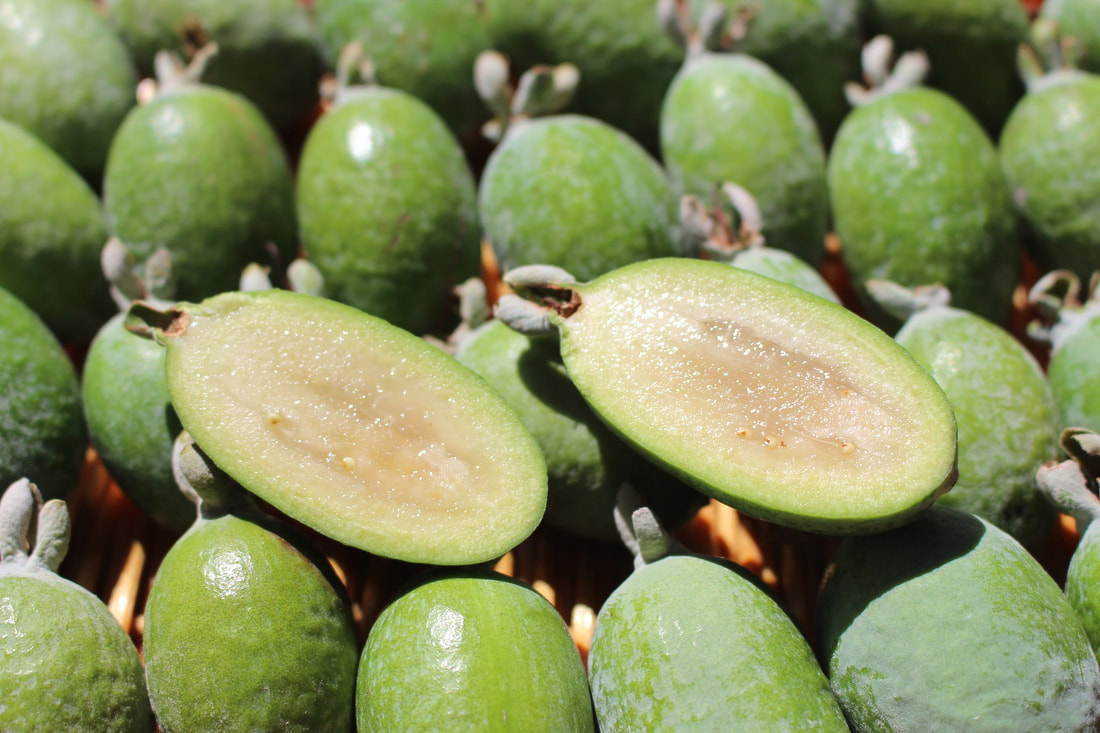 Pineapple guava fruit (Chesna) Pixabay Distant cousin to guavas, pineapple guava (Acca sellowiana, or Feijoa (fay-zho-uh) sellowiana) is a member of the myrtle family. Native to Brazil and Argentina, it is well suited to the Bay Area’s hot summers and cool winters. It is somewhat frost tolerant. The edible flowers look like tiny versions of bottlebrush and have a cinnamon flavor. (Of course, if you eat all the flowers, you won’t get any fruit!) 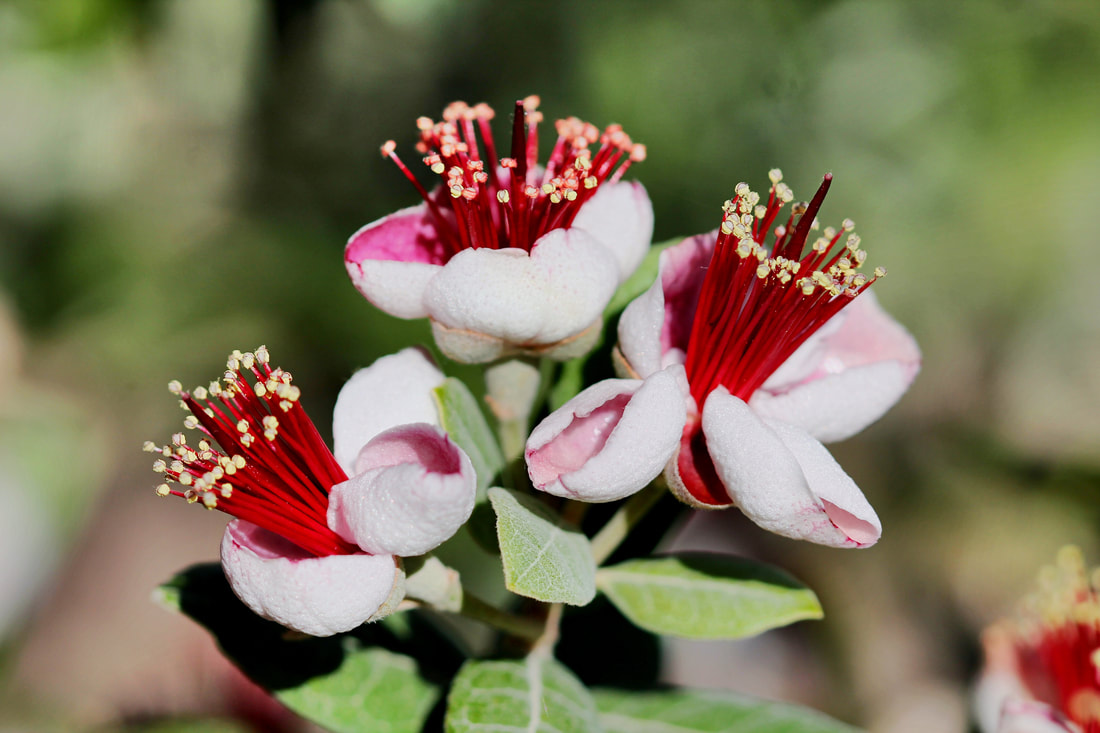 Pineapple guava flowers (Renee Grayson) CC BY 2.0 Pineapple guava growth habits Pineapple guava is a relatively slow-growing perennial evergreen shrub that can eventually reach a height and width of 10 to 15 feet. Leaves are green on top and silvery underneath, which looks really nice when a breeze comes through. Pineapple guava plants grow best in USDA Hardiness zones 8 through 11 and they need 50 chill hours each winter to set fruit (I get 300 in the Bay Area). If temperatures are above 90 °F for too long, fruit set can be reduced. Pineapple guava are very drought tolerant, but they do need to be irrigated as fruit is being produced. How to grow pineapple guava Growing pineapple guava from seed is a slow business. It can take a year for seedlings to show any real growth. Most pineapple guava trees are purchased as 1- or 2-year old plants. If you only have room for one specimen, make sure that it is a self-pollinating variety. Most pineapple guavas require a second specimen for pollination. They prefer partial shade, a soil pH of 5.5 to 7.0, and can tolerate some salt spray. They do not respond well to bright, reflected light, so installing pineapple guava next to a driveway probably isn’t the best idea. They can be grown in large containers, and they can also be espaliered or pruned as a small tree, or used to create hedgerows or windbreaks. There are several varieties of pineapple guava to choose from. Caring for pineapple guava One of the best things about pineapple guava is how little care they need. You can ignore them completely, once they are established, or you can give them a boost with these maintenance tips:
Harvesting the fruit Pineapple guava fruit are egg-shaped and can be 3/4 to 3-1/2 inches long. The fruit is described as tasting like a cross between pineapple, apple, strawberry, guava, and mint. Fruit reaches full maturity (and the best flavor) in fall, but it bruises easily. Ripeness can be determined by giving fruit a gentle squeeze. Harvesting fruit too soon is a waste, since unripe fruit is bitter. Waiting for it to fall on its own usually means bruised fruit. Probably the best solution is to set up a net under the tree to gently capture fruit as it falls, but this isn’t alway feasible. Commercially, ‘touch picking’ is used. Touch picking means that if the fruit breaks free when you touch it, it’s ripe. Regularly checking for ripe fruit before it falls will reduce the number of bruised fruit. Some people eat the entire fruit, skin and all, while others cut it in half and scoop the fruit out with a spoon.  Young pineapple guava Pineapple guava no real pest or disease problems. Black scale and fruit flies may show up, but these shrubs are truly trouble-free.
Pineapple guava fruit does not ship well, so most stores never carry it. Adding these trouble-free shrubs to your foodscape means you will have a ready supply of delicious fresh fruit each fall for many years to come. As fruit trees begin putting out fruit in spring, it is your job to take some of that fruit off. It may seem counterproductive. Why on earth would I plant a fruit tree only to take the fruit off when it has only just started growing? Why would you want to reduce your crop that way? Read on and find out! Why thin fruit? Most fruit trees will produce far more fruit than can be supported or made flavorful. Too much fruit and branches start breaking. Now, the tree doesn’t care how the fruit tastes, as long as it tastes good enough to cause animals to help with seed dispersal. To get the sweetness, size, and shape that we want, we have to intervene. That starts with production pruning and ends with fruit thinning. Thinning fruit also helps reduce the likelihood of pests or diseases getting established in the nooks and crannies between fruit. Finally, fruit thinning reduces the chance of your tree taking a year off of production (alternate bearing) out of sheer exhaustion. How (and when) to thin fruit trees Different trees have different thinning needs. Generally, the time to thin fruit is dictated by fruit size. Stone fruits are thinned when they reach 3/4 to 1 inch in diameter, while pome fruits can be thinned when they are 1/2 to 1 inch. You can also predict the time for thinning by noting it 30 to 45 days after full bloom on your calendar. To actually remove the fruit, give it a gentle twist. Sometimes, pruners are needed. Your fruit tree is working very hard at this stage, so be kind. Do not be tempted to thin your fruit trees too early, as this can lead to split fruit later on, especially in peaches. Of course, thinning too late won’t help your fruit become as large as it might have. Fruit thinning by species Some trees do not require thinning. These include cherries, figs, citrus, Bartlett pears, pomegranates, and persimmons. You may want to monitor your persimmons tree, however, as a very productive year can lead to breakage. Use this information to determine just how much to thin, depending on tree species:
Natural fruit drop We are not the only ones who want to protect our fruit trees from breakage due to too much fruit. These trees have evolved to protect themselves with what is erroneously called “June drop”. June drop can occur late spring through early summer and it refers to a fruit tree dropping many immature fruits. Fruits that are diseased or infested may also drop prematurely. Don’t be afraid to get up close and personal with your fruit trees in spring. Thinning fruit will ensure a better crop and a healthier tree. Thinning also gives you a chance to see what’s really going on for your fruit trees, allowing you to halt a minor pest invasion before it causes any real damage. For those of you (like me) who need ways to remember what and how to thin, give this a try: Spring season of thinning, no need to despair
Help them grow stronger with inches to spare Small apricots and plums, give them each two to four Peaches and nectarines, need three inches or more Then muster the clusters of apples and pears Save just the biggest, only one or two there Mutants and mummies and twins all must go Leave only the best. Now just watch them grow! -KR Luscious summer pears are worth the effort it takes to grow them. European pears (Pyrus communis) actually hail from Western Asia and modern day Iraq and Iran. People have been growing pears for over 4,000 years and Bartlett pears have been the standard for over 200 years. In the world gardening and agriculture, that's pretty amazing.  Eight varieties of pears (left to right) Bartlett, Red Bartlett, a different Red Bartlett, D’Anjou, Bosc, Comice, Concorde, Seckel (Agyle) Public Domain Pear varieties
Pears do require a cold rest period, called vernalization, each winter. Silicon Valley only averages 400 chill hours, while Bartlett pears need 800 chill hours each winter. You will need to identify a species suitable to your microclimate. Pears are categorized by the season in which they ripen. Summer pears have thin skins, ripen on the tree in July through September, and most are small to medium sized, and the fruit is fine-textured. Winter pears feature gritty textured fruit that ripens September through November. Below is a list of popular pears with notes, chill hours, and best zones for growing:
How to grow pears Unless you select a self-fruitful variety, you will need at least two trees for a fruit set. Also, keep in mind that full size trees may take up to 20 years to reach full production, while semi-dwarfs take 5 to 8 years. Most bare root stock available in garden centers are 2 or 3 years old. Choose a site that can accommodate the tree’s full size and provide full sun. Pest and disease problems can be reduced by providing good air flow around each tree. Pear trees are best pruned into a “Y” shape. They tend to grow very upright and need trimming to create a healthier, more spread out growth. Pear fruits do not require as much thinning as apples. You can leave 2 or 3 fruits per cluster without problems. Pear pests & diseases More pests attack pears than any other fruit tree that I know of. These pests include aphids, San Jose scale, mites, pear psylla, codling moth, redhumped caterpillars, Eriophyid mites, birds, and squirrels. Common pear diseases include fire blight (Erwinia amylovora), crown gall, leaf spot, pear scab, and apple scab. Pear tree care These seasonal chores can help keep your pear trees healthy:
Pear ripening If you allow your pears to ripen on the tree, you will probably never get to enjoy one. Pears are a favorite food of squirrels and birds. I once lost an entire season’s crop because the squirrels were willing to harvest the pears two days earlier than I was. Pears ripen from the inside out. The easiest way to tell if it is time to harvest a pear is to use the Cradle Test. To do this, cup one hand under a pear and use the other hand to swing the fruit from its 6:00 position to a 9:00 position, with a twisting motion. If the fruit falls, it’s ready. Actually pears taste better if they are harvested when they are mature but not fully ripe. Then place them in the refrigerator for a few days, up to two weeks for summer pears, and 3 to 4 weeks for winter pears. After the fruit has been chilled, bring it back to room temperature and enjoy. Oh, by the way, don’t bruise the fruit at any point in this process. As I said, growing pears is not an easy process. The sweet, juicy flavor of a fresh, properly ripened pear, however, is exquisite. Plum orchards once covered The Valley of Heart's Delight (what is now known as Silicon Valley). Many homes are still graced by individual specimens of these prolific fruit producers, and it is easy to add one to your landscape, as well. Plums are members of the Rose family, in the Prunus genus. This makes them cousins to other stone fruits, such as peaches, nectarines, and cherries. One variety of apricot (Prunus armeniaca) is so closely related that it is actually a plum! Fruits of the plum tree are called drupes.  Purple plums (Pikist) Plum varieties When deciding on a plum variety, keep in mind that plums can be sweet or tart, early or late blooming and ripening, standard size, dwarf, or semi-dwarf. Two varieties are commonly grown are Japanese plum (Prunus salicina) and European plum (Prunus domestica), but there are others. Some European plum varieties do not require cross-pollination, but all plum trees produce far more if there is a second tree nearby. Japanese plums bloom and mature earlier, but European plums tend to be sweeter.  Purple plums (Wallpaper Flare) Standard plum trees can grow to 30 feet tall and 25 feet wide, semi-dwarfs can be 15 feet wide, and dwarf varieties rarely need more than 10 feet. Plums come in skins of many different colors, from yellow, to red and purple, to nearly black. The interior fruit can be yellow, white, red, or green. Commercially, plums grown to be consumed as fresh fruit are called “sugar plums”, while the remainder are grown to be dried and sold as prunes. Prunes are almost exclusively made from European plums. You can also find plum-apricot and plum-cherry hybrids!  Red plums (Couleur) How to grow plums
Plums love mild winters and hot, dry summers. While they prefer more sandy soil than many gardens tend to have, they are pretty tolerant of clay, as long as the drainage is good. They do need a lot of sun. Plums are best started from certified disease-free root stock. You can also start a tree from a friend or neighbor’s tree by taking one of the many suckers that tend to appear. Suckers root more easily if they are dipped in rooting hormones (auxins), but they will create their own auxins in a day or so. If starting from seed, plums should be planted 3 inches deep. Be sure to mark the spot so you don’t lose track of your new baby! Plum tree care Plum trees thrive here in warm regions. Trees do require the following seasonal care:
Plum tree pests and diseases The most common plum pests are aphids, mites, and San Jose scale. Other pests include Oriental fruit fly, plum curculio, mealybugs, redhumped caterpillars, green fruit beetles (Cotinis mutabilis), and mealy plum aphid (Hyalopterus pruni). Sticky barriers can reduce the impact of many crawling insect pests. Fungal diseases that affected plum trees include canker, brown rot (Monomania fructicola), and shot hole, also known as Coryneum blight. One of the most common problems faced by plum tree owners is overproduction. Overproduction, or overbearing, can cause broken limbs, so it is important to thin fruit to no more than one fruit every 2 to 4 inches. Don’t be concerned if your plums have a whitish coating on them. This is a protective epicuticular wax known as “wax bloom” and is easy wiped off. Add a plum tree to your landscape this spring for decades of delicious summer fruit and year-round jams and jellies! Over 11,000 years ago, figs were one of our first attempts at agriculture, even before barley, wheat, and legumes. Farmers and scientists had curious ideas about wild and farmed fig trees in those early years. They thought tiny wasps flew from the wild (fruitless caprifig) trees to the farmed female (fruited) trees to help them hang on to the fruit! If that weren’t interesting enough, did you know that figs are not fruit? Read on!  Fresh figs The fig tree
Figs (Ficus carica L.) are deciduous trees or shrubs that can grow 30 feet tall. They send out multiple trunks to create a fan-like tree. The wood tends to be weak, so pruning keeps the tree structurally sound. Broad, fragrant leaves provide lovely shade but avoid the sap. It contains a form of latex that can irritate your skin. Fig trees prefer sunny, well drained locations. They can also grow well in poor, rocky soil. These trees are very drought tolerant. Botanically, fig trees are gynodioecious, which means they have hermaphrodite flowers and female flowers on separate plants. You can either buy a self-pollinating variety or multiple trees. It ends up that those ancient farmers were partly correct about fig trees Tiny specialized wasps called Blastophaga psenes pollinate the flowers hidden inside a hollow structure called the syconium. The fruit is technically a scion or infructescence. An infructescence is a fruit head made of the ovaries from a flower cluster. These arrangements are often called false fruits or multiple fruits. Within each fig “fruit” are several one-seeded fruits called druplets. Pineapple, wheat, and corn are other examples of infructescence. How to grow figs Originally from the Middle East and western Asia, these resilient trees grow well in regions with hot, dry summers and cool, wet winters. Figs reproduce in several different ways. Naturally, birds and mammals that eat the fruit end up spreading seeds. Fig trees also tend to send out aggressive roots, stolons, and suckers that can generate new plants. You can bend a low-growing branch down to the ground or a container, hold it down with a rock or some wire, and wait for roots to grow. After roots emerge, you can separate it from the parent plant. Most buy fig trees as bare root trees. Fig trees can be grown in large containers, but you will want to take advantage of their deep roots. Planting fig trees in the ground practically eliminates the need for irrigation. Like grapes, fig trees have deep roots that allow them to get most of their water from the soil’s saturation (or phreatic) zone. Fig pests & diseases Thrips, ants, green fruit beetles, dried fruit beetles, gophers, and birds are the only serious pests. You can thwart ants with a sticky barrier around the trunks. Netting is invaluable for protecting fig crops. Eriophyid mites do not cause significant damage, but they can carry fig mosaic. Whitewash the trunks to protect them from Sunburn damage. Just paint a 50:50 mix of water and white later (not enamel) paint on exposed surfaces. Some fig varieties produce two crops a year. The first, or ‘breba’ crop, occurs in mid-summer. The second main crop ripens in late summer or fall. Be sure to allow figs to ripen on the tree. They will not continue to ripen once picked. Forget the bagged, dried version of this healthful fruit. Plucking a freshly ripened fig from the tree and taking a bite is heavenly. You can always dry your own. Add figs to your foodscape for decades of delicious fiber and welcome summer shade. Sweet, flavorful apricots, warm from the sun, freshly plucked from the tree, are one of life’s perfect moments. In my opinion, they rank right up there with their cousins, peaches and nectarines, as foods that define summer. 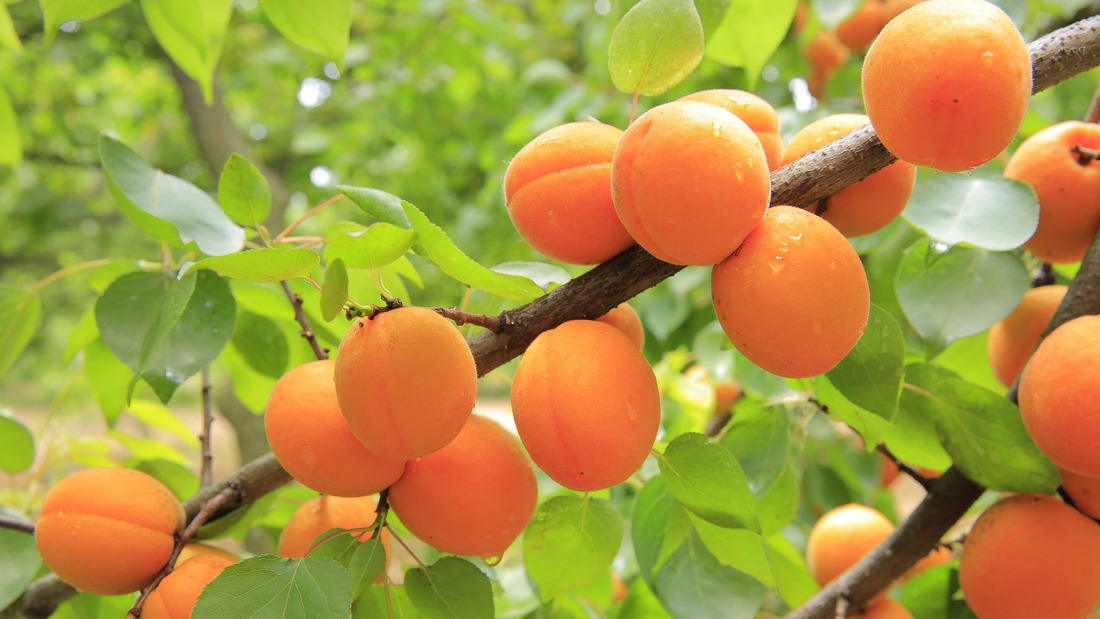 Apricots ripening on branch (夏 沐沐) Pixabay Apricots (Prunus armeniaca) are also related to cherries, plums, prunes, and almonds. If you look at the pits, you will see the similarities; they are all stone fruits. Apricots can be grown in USDA Hardiness Zones 5-9. While dwarf varieties can be grown in large containers, apricots prefer being planted in the ground, in a sunny location. Plant an apricot tree and you will be treated to lovely spring blossoms and delicious summer fruit. The trunk will, over time, develop a striking gnarled look, too.
How to plant an apricot tree Unlike apples, pears, and other members of the rose family, apricots grown from seed have a higher chance of being similar to the parent plant. While there are no guarantees, you can take the pit from an apricot, cover it with an inch of soil, keep it watered and in a sunny location to start your homegrown apricot tree. For faster results, bare root stock can be used. Apricot bare root stock should be planted in January or early February, in warm regions. Apricots prefer well-drained soil, but they can tolerate some clay. Before placing your apricot rootstock, be sure to amend the site with lots of compost, to help it get a healthy start. Also, if you have heavy clay, be sure to score the edges of the planting hole. Smooth clay is an impenetrable barrier to young roots. How to select an apricot tree When selecting rootstock, be sure to match the variety with your microclimate. Chilling hours vary by species, as does disease and pest resistance. If your tree does not accumulate enough chill hours, you won't get any fruit. Most apricots are self-fertile, so it is usually not necessary to have more than one tree. Contact your local Cooperative Extension Office for the best varieties for your area. The following varieties are good choices for warm weather regions:
Apricot tree care Each fall, before the rains begin, prune away 20% of last year’s growth, along with any dead, diseased, or poorly placed branches. This will allow more light to reach interior branches, stimulate new spur development, and improve the overall health of the tree. [Spurs are flower-bearing buds]. Spray for pest and disease control in winter and again in spring. Feed mature apricot trees 1 to 2 pounds of urea just before spring irrigation is begun and water it in thoroughly. Young trees should be given the same amount of urea, but spread it out in quarters over a 4 month period. As fruits reach 1/2 inch in diameter, they should be thinned to one fruit every 4 to 6 inches, for the best size and flavor. This also reduces the likelihood of pests and diseases. Irrigating apricots Begin irrigating in spring by watering every 2 or 3 weeks to a depth of 18 to 24 inches. This is one of those times where guessing isn’t good enough. I use my soil sampler, but you can use a trowel to gently dig down to the appropriate depth. If the soil isn’t moist, you need to figure out where the water is going and redirect it. Many times, hydrophobic soil will push water away. Watering more slowly can avoid this problem. Apricot pests and diseases Peach twig borers, Fuller rose beetles, San Jose scale, mites, and aphids are common apricot pests. Apricot is susceptible to Eutypa dieback, so pruning should only be done during summer, unlike other trees which are pruned during winter dormancy. Autumn and winter sprays of dormant oil, fixed copper, or Bordeaux mixture, as well as the use of sticky barriers, can help protect your apricot tree against other pests and diseases, such as brown rot, bacterial canker, shot hole disease, and crown gall. Despite these fungal diseases, do not use sulfur on apricots. A little space in your yard or on a balcony is all that is needed to start growing fresh apricots - give it a try! The seeds from this tree may not be edible, but they are certainly a natural way to cut down on your laundry bill! This discovery started when I was looking for a laundry detergent that wouldn’t hurt my landscape. I have a large diameter vinyl hose attached to the back of my washing machine (in summer) and I use the water to irrigate my fruit and nut trees, lawn, and ornamentals. (This isn’t legal everywhere, and isn’t necessarily a good idea, depending upon your preferred brand of laundry soap.) In my search for living a less polluting (and more cost effective) life, I stumbled upon soapnuts, also known as soapberries. Believe it or not, I was delighted to discover that these tree fruits cleaned my laundry just as well as commercial soap! Not only that, but they have natural fabric softening properties.
What are soapnut trees?
Soapnut trees are members of the Lychee family (Sapindus), which includes 5 to 12 different species of trees and shrubs (depending on who you ask) that all produce saponins. These saponins are found in the fruit, or drupes, of the soapnut tree (as well as in soapwort plants and sea cucumbers). Saponins are surfactants, chemicals that reduce the surface tension between molecules, allowing water to lift away grease, soil, and other impurities from your laundry. In fact, people have been using soapnuts as a sudsy cleaning agent for far longer than commercially made soaps and detergents. The soapnuts used to clean laundry, hair, and skin nowadays are mostly from the S. mukorossi variety. This particular tree also goes by the names Sapindus detergens, Indian soapberry, Chinese soapberry, Reetha, Areetha, Ritha, and Doda, just to name a few. [If you are feeling particularly nerdly today, you can see this plant’s genetic code here.] How soapnut trees grow Soapnut trees prefer temperate to tropical conditions. Some varieties are deciduous, while others are evergreen. The Indian soapberry tree, in particular, is a lovely deciduous tree that can tolerate poor soil. Trees will need the equivalent of 60 to 80 inches of rainfall each year. (San Jose, CA gets an average of 15 inches of rain, so some irrigation will be needed in the Bay Area.) Ultimately (and under ideal conditions), your soapnut tree can reach a height of 80 feet, with a girth of 15 feet. Most trees, however, end up significantly smaller than that (12 to 16 feet tall). The tree has smooth gray bark and a semi-umbrella shape. Small, greenish-white flowers emerge in summer and fruit appears in July and August. A mature soapnut tree can produce 60 or more pounds of soapberry fruit each year. How to grow a soap nut tree To grow your own soapnut tree, you will first have to find a seed. This has become easier in recent years, as more people discover just how effective soapnuts are. You can search online for seeds, or you can give soapnuts a try and hope to find a seed. The drupes (pictured) normally contain up to three seeds. The seeds need to be roughed up a little (scarified) before they can germinate. It is best to plant in spring. You can use a fine-grit sandpaper to score the outer hull, then soak the seeds in warm water for 24 hours. The most common way to keep the water warm is to place the seed and the warm water in a thermos. (My guess is that these prerequisites evolved out of the natural processes of seeds being eaten and then, well, you know.) Start each seed in a large container filled with high quality potting soil, planting them one inch deep. Keep the soil moist down to at least 2 inches, but not waterlogged, and provide plenty of sunlight. It may take a long time for your seeds to germinate. Once they do, they will grow quickly. After 3 or 4 months (or when frost isn’t expected any time soon), you can place your soapnut tree in the ground. Select a site that provides partial shade or dappled sunlight, if possible, and plenty of room to grow. Using homegrown soapnuts Once your soapnut tree produces fruit, you will want to collect the drupes in early winter, remove the seeds, and allow the fruit to dry out. A small muslin bag with tie strings can be used to hold 4 or 5 soapnuts and tossed in the laundry. The soapnuts do not have to be removed for the rinse cycle because the normally colder water of rinse cycles does not pull as much of the sudsing saponins as warm or hot wash water. The same bag of soapnuts can be used for up to 10 loads of wash. After that, toss them into the compost pile and reuse the bag! Other advantages of soapnuts Besides being disease-resistant plants, soapnuts also have gentle insecticidal properties that have been shown to interfere with mosquito and lice life cycles. Whether this means that washing your clothes with soapnuts will render them mosquito-proof has yet to be shown. Did you know that soapnuts are used to clean cardamom seeds, improving their color and flavor? If you use graywater from your washing machine, soapnuts are a far better option than soaps and detergents sold over-the-counter, and they’re free! Unfortunately, it may take your soapnut tree up to 10 years to begin producing fruit. (At least it’s faster that stone pines!) The nice thing is, soapnuts are lovely trees, long before they provide you and your family with a lifetime supply of environmentally safe laundry soap and shampoo! Growing apples is highly rewarding, but don’t try starting one from seed.  Immature apples These particular fruit trees are known as extreme heterozygotes. In plain English, the offspring are nothing like their parents. Planting seeds from a Red Delicious apple will not produce apples that look or taste like that shiny red fruit. It may not taste good at all. Most modern apple trees today are propagated from cuttings grafted onto sturdy rootstock. [Did you know that apples are related to roses?] Apple history Apples (Malus pumila, aka Malus domestica) have a rich and varied history. They hold a place in nearly every culture and religion, being one of our earliest attempts at tree cultivation. But wild apple trees (Malus sieversii) bear little resemblance to their domesticated progeny. Wild apple trees, still found in central Asia, can grow 40 feet in height, and the fruit is smaller and more tart than most people find palatable. Most of the apples sold in grocery stores are crosses between Malus pumila and crab apples. There are currently more than 7,500 apple cultivars with various traits of skin color, texture, disease and pest resistance, juiciness, storage ability, and more. In 2010, the entire apple genome was mapped, with over 57,000 genes identified. [Humans are estimated to have up to 25,000 genes. I guess we must be just one big family then.] 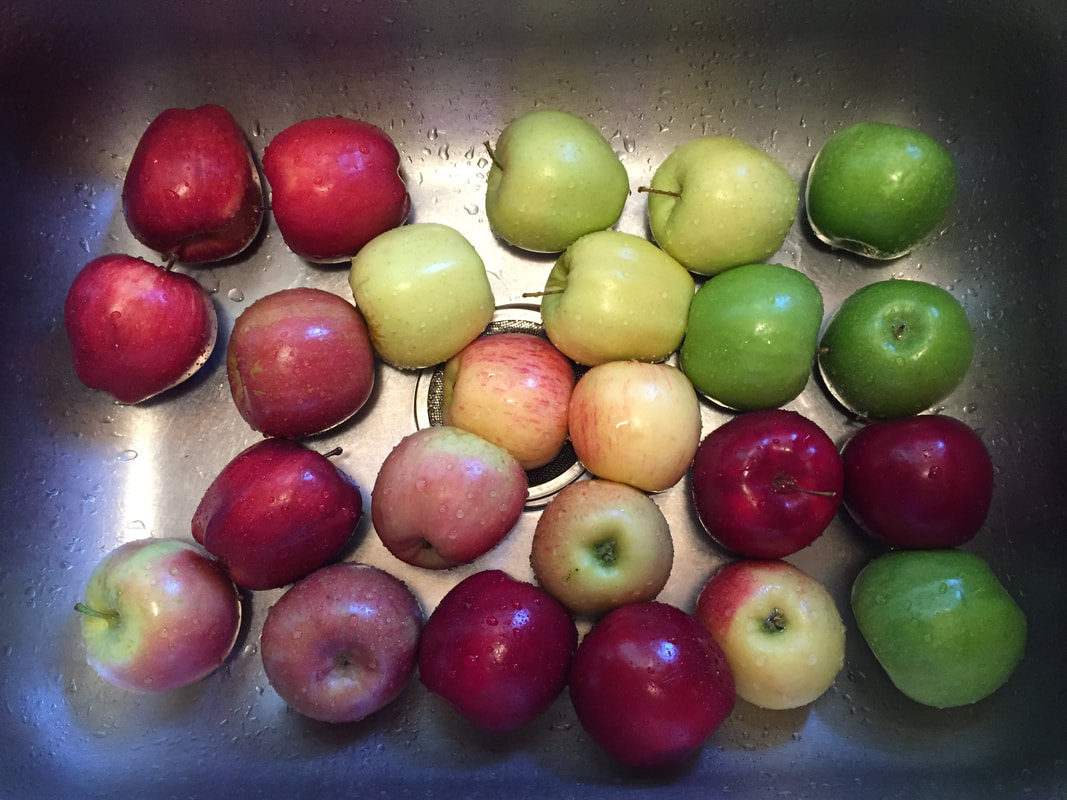 Apples come in lots of colors, sizes, and shapes Bare root apples The best way to start growing apples is with bare rootstock. Some apple varieties require cross-pollination, while others are self-pollinating. If you only have room for one tree, you need a self-pollinating variety, or all you will get is summer shade. Plant your bare rootstock during late winter or early spring. Before you buy, however, you may want to conduct a soil test with a reputable lab. This inexpensive test is an excellent investment in a tree that will probably live and produce fruit for the next 100 years. Also, consider the size of your mature tree - it is far easier to pick apples and care for your tree if it is a dwarf or semi-dwarf variety. Chill hours Chill hours are the accumulated time spent between 32°F and 45°F each year. In this temperature range, the growth-inhibiting hormone responsible for dormancy begins to break down, allowing trees and shrubs to start producing the buds that become the leaves and flowers of spring. The flowers and buds do not form properly unless enough chill hours occur. The number of hours needed is species-specific, so you need to know how many chill hours occur, on average, in your yard before selecting a tree variety. Red apples generally need 1200 to 1500 chill hours to develop their color and flavor. Green apples need less. How to grow apples Apples grow best in well-drained, nutrient-rich soil with full sunlight. Apple trees need some space for good airflow. Full-sized trees will need a 20-foot circle of space, while dwarf varieties need only 10. Dwarf apple trees tend to overproduce, breaking branches, so you may need to do more pruning or provide tree support. You can grow dwarf apple trees in containers. Once your bare root tree arrives, dig a hole twice the diameter of the spread-out roots and as deep as the root ball. Failing to plant trees at the proper depth is the main cause of tree deaths. Remove any grass or weeds growing within two feet of this circle. Remove any dead, damaged, or diseased roots, and then soak the rootstock in a bucket of water for a couple of hours or overnight if they are dried out. Mix some aged compost with soil from the hole and spread it out in the bottom of the hole. Be sure there are no smooth edges in the hole. Heavy clay and other compacted soils can create impenetrable barriers to young roots. You can help your apple tree get a better start by roughing up and scoring the edges of the planting hole. Place the tree in the hole, ensuring that the graft union (where the rootstock joins the scion) is at least 2 inches above soil level to avoid crown rot and other fungal diseases. Resist the urge to tamp down the soil. To eliminate big air pockets, "mud in" your baby tree by watering heavily at planting time. Seasonal apple tree care Winter apple tree care includes pruning 15 to 20% of the previous year’s growth, allowing more light to reach the middle of the tree, removing dead or diseased branches, and spraying dormant oil to control San Jose scale, and aphid and mite eggs. In spring, treat apple trees with a fungicide to help prevent powdery mildew and apple scab. These treatments should occur when the twig tips first green, when the buds are pink, and then every ten days until the rainy season ends. Thin the tiny fruits to one every six inches for better growth and flavor. If apple maggots or codling moths have been a problem in previous years, bagging the fruit or coating it with kaolin clay are organic methods of protecting your valuable crop. Before you start irrigating a mature apple tree in spring, feed it with two pounds of urea or 40 pounds of aged manure. Summer chores include feeding young trees 20 pounds of aged manure or 8 ounces of urea every month and watering it in. (If you use drip emitters, be sure you do not use more than 1 ounce of urea per emitter per application.) Spray for codling moths from late spring to the end of summer, and monitor for aphids and mites. Irrigate trees every 2 to 3 weeks. As you pick ripe apples, watch for and remove any mummies you come across. 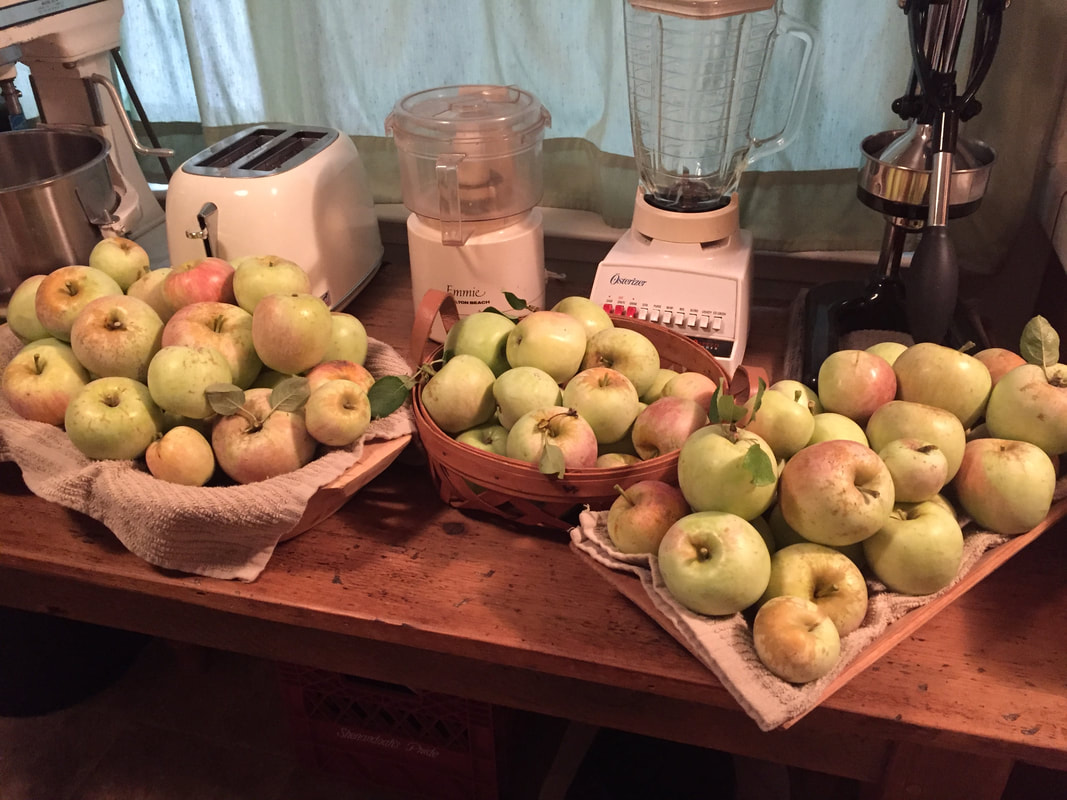 A nice apple harvest After harvesting, fertilize mature trees the same way you did in summer. Remove all leaves from around the tree and compost them to help prevent apple scab. Mulching around (but not touching) your apple trees will reduce weeds, stabilize temperatures, and provide the slow release of nutrients.
Apple pests and diseases Few pests or diseases will kill an apple tree outright, but it has many attackers. The use of sticky barriers around the trunk will halt some, such as ants, slugs and snails, and Fuller rose beetles, but most apple problems come in on the wind. Stem blight, crown gall, leaf spot, powdery mildew, fireblight, and other bacterial blights are common diseases of apple trees. Cedar apple rust can also occur if apples are grown near Eastern red cedar trees. Also, apples share a susceptibility to bacteria blast with lilacs and stone fruits. Common pests include codling moths, apple maggots, San Jose scale, redhumped caterpillars, armyworms, and Eriophyid mites. New to the apple scene is another pest, chili thrips. Also, any local fog can cause more russeting. Russeting is when the apple skin turns brown and rough. Find a spot in your landscape for one of these beauties because plucking an apple from your very own tree and taking a bite, well, it's just one of life's finer experiences. And we all want to keep that doctor away! Stone pines, or pinyon pines, are commonly used as live Christmas trees and they produce delicious (and expensive) pine nuts. As far as conifers go, the stone pine is my favorite, simply because of the pine nuts they produce. No pesto is the same without the sweet, nutty flavor of pine nuts. They make scrumptious pine nut bars, too! 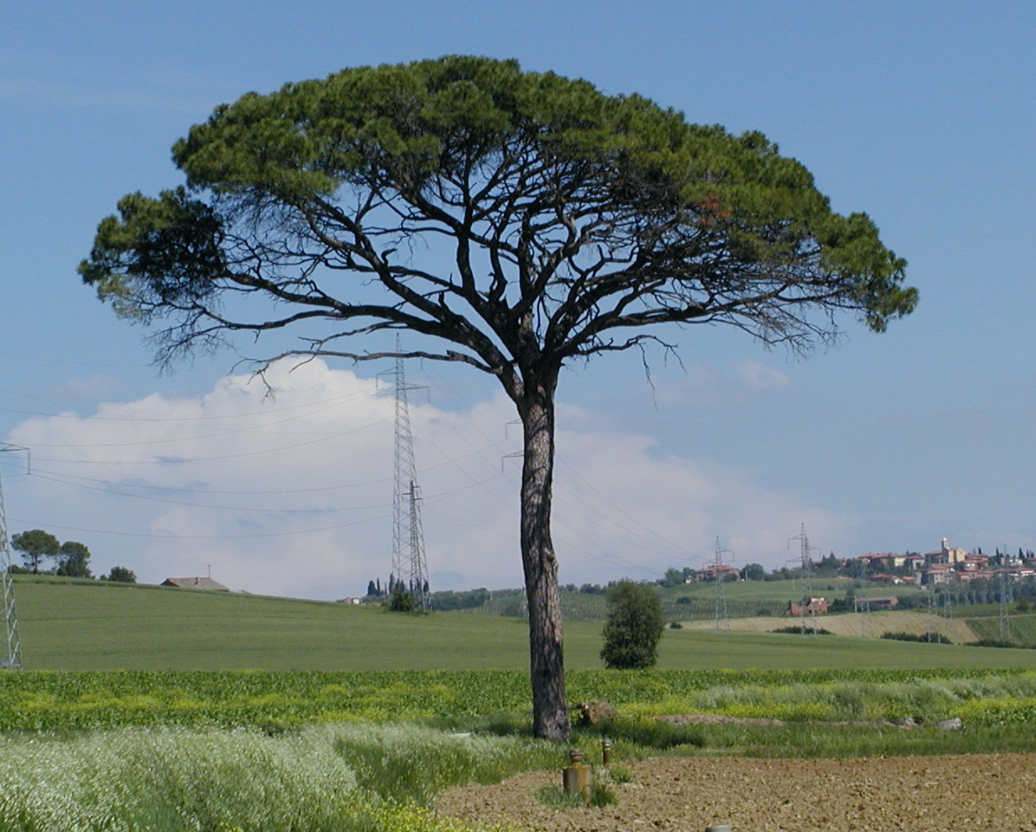 Mature stone pine in Italy with flatter crown (Kofler Jürgen) CC BY-SA 3.0 Stone pines (Pinus pinea) were originally from northern Africa and are now found in the Mediterranean. People have been enjoying pine nuts since, well, since there have been people! We have actively cultivated these high protein treats for over 6,000 years.
Like most conifers, stone pines grow from seeds found in a cone. This makes them gymnosperms. Stone pine seeds take 3 years to form - longer than any other pine. As juveniles, stone pines are bushy and round, with a bluish tint. The needles are short (3/4 to 1-1/2 inches long) and singular. As trees reach 4 or 5 years of age, mature needles begin to emerge. These older, darker needles are longer (7 to 8 inches long), and held in bundles of 2, 3 or 5. By the time the tree is 10 years old, all the needles will be the longer variety, unless the tree is responding to an injury. Mature trees have an umbrella shape, with a canopy that can reach over 25 feet. They are sometimes called umbrella trees for this reason. They are also known as Italian stone pines. Stone pines prefer full sun and well-drained soil. Once established, they rarely, if ever, need any irrigation, pruning, or fertilizer.
Stone pine pests and diseases The western conifer seed bug, aphids, pine shoot moths, bark beetles, Eriophyid mites, mealybugs, weevils, and adelgids (an aphid cousin) are common pests. Many of these pests feed on the sap, stealing valuable nutrients and moisture from the trees, causing distortion, susceptibility to other diseases, and even death to the tree. Honey fungus, or Armillaria root rot, Pine needle cast, canker diseases, Botrytis blight, needle blight, root rot, crown rot, and rusts are common pine diseases. Fair warning Before you jump to buy yourself a stone pine tree with visions of pine nuts dancing in your head, you need to understand that there is a reason why pine nuts cost about the same, per pound, as your finest cut of beef. Getting those nuts to the point where they are edible is very labor intensive. Also, your stone pine will not produce edible seeds until it is 10 to 12 years old. As green cones begin to open, you will need to smash the bejeezus out of them to get the cones to release the nuts. This is commonly done in burlap sacks with baseball bats. Then you get to hand sort through all that pine cone debris to find the dark paper-coated pine nuts. That dark paper is yet another layer that must be removed. This takes a lot of time and patience, and is why most of our $19 a pound pine nuts come from China, where cheap labor makes it financially feasible. Unfortunately, the variety of stone pine grown in China (Pinus armandii) has been shown to leave a metallic taste in your mouth that can last for a couple of days. So maybe all that time and effort is worth it after all… Did you know that the fruit of a pomegranate tree is a berry? That’s if you ask a botanist. Like other berry plants, pomegranates (Punica granatum) have spiny branches and delicious fruit. When I was a child, growing up in the San Fernando Valley, there was an empty lot down the street. On that lot was a giant old pomegranate tree. It had grown up and out and down, almost like a willow, creating a magical circular space underneath. No one could see us from outside the tree, the growth was so thick! We would pick sun-ripened pomegranates from the outside of the tree and then enter our Secret Clubhouse, where we would tell stories and make wild guesses about growing up, as we munched on the sweet-tart fruity seeds. These healthful fruits are perfectly suited to growing in drought-prone areas. With a small initial investment of time, money, and water, your family can enjoy fresh pomegranates for many years to come.  'Pomegranates' by Karen Bacica Pomegranate varieties Before you buy a pomegranate tree, be sure that the variety you are buying is an edible and not an ornamental. There is no sense dedicating space and water to an inedible variety when you can have an edible! Pomegranates grow in a variety of colors and sizes. Rinds can be red, yellow, pink, orange, green, and even black. Some varieties have seeds that are very hard, while others are softer. UC Davis offers a helpful Pomegranate Cultivar Chart to help you select the best variety for you and your family. Both ornamental and edible types can be self-pollinating or cross-pollinated by hummingbirds and insects. It takes a pollinated flower up to 7 months to produce an edible fruit. How to grow pomegranates Pomegranates are a very tolerant plant, when it comes to soil types and irrigation. They prefer full sun and hot summers, but they can handle some partial shade. Pomegranates will founder in wet soil or full shade, so choose your site accordingly. Pomegranates can be grown from seeds, but it will take a few years before you get any fruit, and pomegranate seeds do not always grow true to the parent plant. You can also plant rooted cuttings or bare root trees. Grafting does not work for pomegranates. Newly planted trees should be watered every day until new growth is seen. Then water only once a week (assuming it doesn’t rain). Keep weeds away with mulch, just be sure the mulch stays 6 to 8 inches away from your pomegranate. 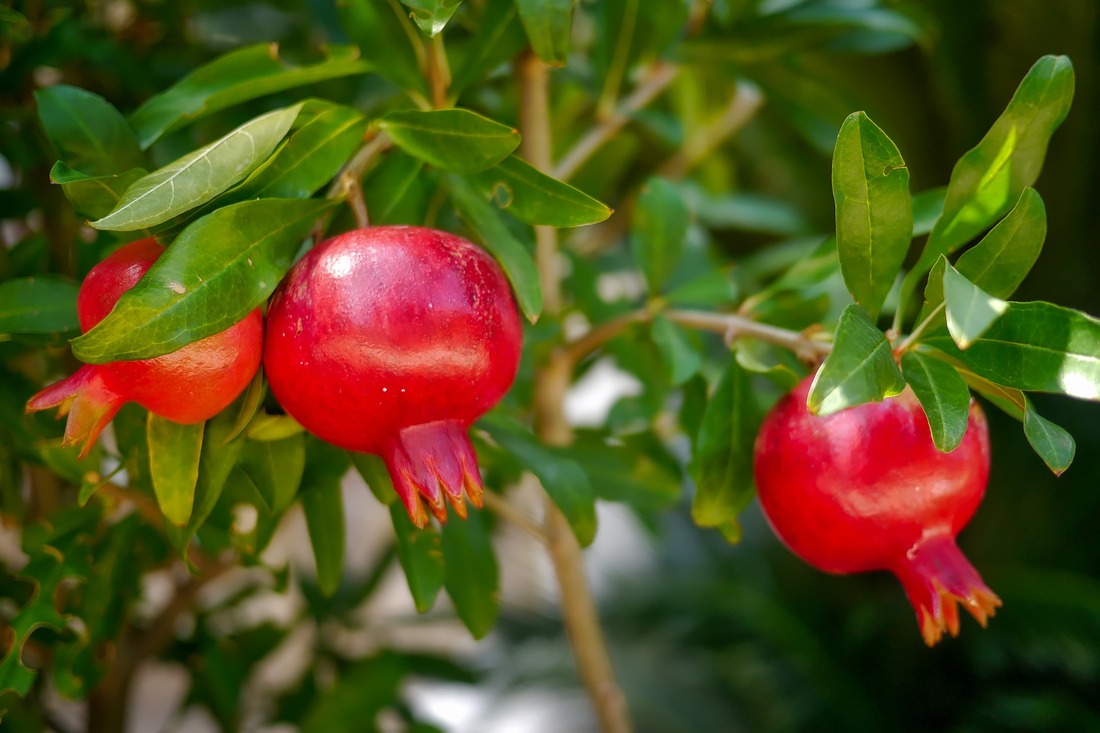 Pomegranate fruit (Albrecht Fietz) Pixabay Pruning pomegranate
Pomegranates are deciduous trees that can grow up 30 feet in height and 15 feet wide (most are 6 to 12 feet tall). Pomegranates produce fruit on second-year wood, so you will want to make sure that you leave some of the last year’s growth when pruning. Pomegranates can be pruned as full-sized trees, hedges, landscape anchors, or shrubs. They can also be grown in containers. You can even create bonsai and topiary from pomegranate! Pomegranate pests and diseases Like tomatoes and citrus, pomegranates are susceptible to citrus fruit split. Other diseases that can turn up include Alternaria rot, Armillaria root rot, Botrytis blight, and other fungal diseases, especially if plants are over-watered. Common pests include whiteflies, fruit flies, ants, cotton aphids, mealybugs, soft scales, leaf-footed bugs, and the pomegranate butterfly. Eating a pomegranate Those little seeds are tasty, but getting to them can be a pain. The easiest way I have found is to cut the fruit in half, hold one half peel side up, over a bowl, and beat the bejeezus out of it with a wooden spoon. The seeds fall out and the rest of it tends to stay put. It is easy to remove any other debris simply by adding water to the bowl: the fruit sinks and everything else rises. Viola! Pomegranates grace holiday tables, a symbol of prosperity, but you can add them to your yard or balcony for some prosperity of your own! Chilling hours are the accumulated periods of cold temperatures that allow many fruit and nut trees and shrubs to provide us with their bounty each year.
We are all familiar with the buds and leaves of spring, the prolific growth of summer, and the harvest of autumn, but fruit and nut trees and shrubs (and strawberries!) are working through winter, too. Colder winter temperatures are part of a deciduous tree’s natural lifecycle. In preparation to survive potentially freezing temperatures, many fruiting trees and shrubs produce a hormone that initiates a state of dormancy. What are chill hours? Just as many seeds require vernalization (a period of cold temperatures) to germinate, many fruit trees have the same need for hours between 32°F and 45°F each winter, called its chilling requirement. In this temperature range, the growth-inhibiting hormone responsible for dormancy begins to break down, allowing trees and shrubs to produce buds that ultimately become the leaves and flowers of spring. Fruiting trees and shrubs that do not receive enough chilling hours in a year will generate fruit and leaves erratically. Any fruit produced will be lower in both quantity and quality. Also, insufficient chilling hours can extend bloom time, making delicate buds and flowers vulnerable to diseases like fireblight and brown rot. How are chilling hours calculated? There are different models used to calculate chilling hours, but they all take the same basic information into account:
The Utah model provides chilling hours, while the Dynamic model provides chilling portions. Whichever model you use will give you a better idea of the best varieties for your microclimate. How many chill hours do my trees need? Different species need varying amounts of accumulated chill hours. Within each species, each variety has its own needs, as well. For example, northern varieties of blueberries have chilling requirements of 800 to 1,000 chilling hours, while southern varieties may only need 150 to 200 chilling hours. Your local chilling hour station Universities work with the USDA to provide valuable information to farmers and orchardists. You can access this information to learn the cumulative chilling hours in your area. The accuracy of this information will depend on where you live and how far you are from the nearest recording station. Click on the county and town closest to you for historical averages or current season figures for hours below 45°F and those between 32°F and 45°F. Almonds are a staple crop in California. Part of the reason is most almond varieties only need 200 to 300 chill hours. Northern California receives an average of 800 to 1,500 chill hours, while southern California only gets 100 to 400 chilling hours. Ultimately, your fruit and nut crop will depend on pollination rates, weather, plant age, soil nutrition and structure, irrigation, and chilling hours. You can get the most out of your fruit and nut trees and shrubs by selecting varieties best suited to your microclimate and the average number of chilling hours each year. Related to jasmine, lilacs, and Forsythia, olive trees have been cultivated since the Bronze Age, some 6,000 years ago, for oil, fruit, and wood.  Ripe olives (Hans Braxmeier) Pixabay
Growing olives
Unpruned trees can reach a height of 26-49 feet. The trunk tends to twist and becomes beautifully gnarled as it ages. Olive trees are evergreen, retaining their oblong, silvery leaves year round. Small white flowers occur on the previous year’s growth, which then produce the olive fruit. Some people are allergic to the pollen of the olive tree. Botanically, the fruit of an olive tree is known as a drupe, as are plums, cherries, and almonds. Olive trees (Olea europaea) prefer soil that is less than ideal. Like many herbs, olives thrive in rocky, poor quality soil. They can perform well in clay soil as long as it has good drainage. Soggy soil will kill an olive tree. Olive trees grown in nutrient rich soil are more disease prone and they produce poorer quality oil. Olive trees are very drought tolerant and they love lots of direct sunshine. They also seem to have a preference for coastlines. When selecting a site for olive trees, keep in mind that they may live for centuries. Most olive cultivars are self-sterile, which means they cannot pollinate themselves, so you may need to plant two trees. Olive cultivars can be primarily for table olives, olive oil, or both. The Santa Clara County Master Gardeners website recommends Ascolano, Manzanillo, Mission and Sevillano cultivars for the Bay area. You can contact your local County Extension office to see which cultivars are best for your area. Olive trees can be propagated by cuttings and layers, from suckers, or grown from seed. To ensure that you are planting a specific cultivar, it is a good idea to buy root stock from a reputable nursery. Cuttings and suckers can be started by covering with aged manure and watered regularly. Seeds are more likely to germinate if the oily outer flesh (pericarp) is encouraged to rot slightly by placing it in hot water or in an alkaline solution, but olives grown from seed often do not produce fruit. Once trees are established, fertilizer should be applied annually, just before flowering. Olive tree roots tend to be shallow, so avoid digging nearby. This is also what makes them excellent container plants. Pruning olive trees Olives grow very slowly, but pruning is necessary for good health and fruit production. Since fruit is borne on the previous year’s growth, two-year old wood should be removed, to maintain a manageable size. In many commercial orchards, fruit laden branches are simply cut off the tree before the olives are removed. Pests and diseases of olive trees The olive fruit fly is a common pest that lays its eggs in the fruit. Once the eggs are laid, the fruit becomes unfit for consumption. Dusting with kaolin clay is an effective organic preventive measure. Rabbits can cause considerable damage to young trees by eating the bark. If the bark is removed all the way around the tree, girdling it, the tree will likely die. Verticillium wilt is a serious threat to olive trees in California. Curculio beetles, black scale, some caterpillars, and the Cycloconium oleaginum fungus can also cause problems. Once an olive tree is established, its extensive root system can recover from the complete destruction of the above ground portion of the tree. Harvesting olives Olives are harvested in September through February, depending on the cultivar and the use for the fruit. Green (unripe) olives are picked September to November, blonde olives are picked October to November, and black olives are picked mid-November through early February. Generally, olives are picked by hand to preserve the fruits’ shape and texture. Oil quality from fallen fruit is not as good as handpicked fruit because of bruising. Semi-dwarf varieties may produce 30-40 pounds of fruit, each year, while full sized trees may produce 100 pounds each year. Making olives edible Like acorns, uncured olives are quite bitter. This bitterness is caused by oleuropein and other phenolic compounds. Olives must be cured and fermented before they are eaten. The only exception is the Greek Throubes olive, which is allowed to dry on the tree and can be eaten as is. There are several commercial curing methods:
These slow-growing trees can produce fruit for the next several hundred years or more. Some olive trees are over 2,000 years old and still produce fruit! Do you have room for an almond tree? I planted a bare root almond tree two years ago and it just started to blossom last week. The flowers are so pretty!  Almond blossoms Almonds are California’s third largest agricultural product and the drought has caused prices to skyrocket. Almonds are an incredibly healthful snack and the trees are lovely additions to a landscape. Almond pollination According to Wikipedia, “The pollination of California's almonds is the largest annual managed pollination event in the world, with close to one million hives (nearly half of all beehives in the USA) being trucked in February to the almond groves.” Imagine that! Unless you get a self-pollinating variety, you will need to plant 2 or 3 trees to get any fruit. Almond's bittersweet history Now, I’m not sure how people started eating almonds because the fruit of wild “bitter” almond trees is poisonous. Bitter almond trees contain a chemical called glycoside amygdalin, which turns into deadly hydrogen cyanide (prussic acid) when the fruit is injured by chewing. Apple, cherry, peach, plum, pear, and apricot seeds, and cassava root (tapioca) also contain cyanide compounds, but it takes an awful lot of any of these to get sick. The trees we buy now are called sweet almonds and they are safe and they taste better!  Immature almonds The almond tree Almonds are deciduous, which mean they drop their leaves in winter. They can grow 13-33 feet tall, with a 12” diameter trunk. The canopy is 10-15 feet wide. Dwarf varieties are being developed, but their productivity is still questionable. Almonds do not do well in containers. Unlike avocados, which can take 10 years or more to produce, almond trees bear fruit as early as their third year! To improve root development, remove flowers the first couple of years.  Almond tree protected with tree cage Almonds are related to peaches, nectarines, cherries, plums, and apricots, all members of the Prunus genus, which, in turn, is a member of the rose (Rosaceae) family. The nut we are all so familiar with is actually the fruit, or drupe, of the almond tree. Botanically, it is not a nut at all. That’s why they are called stone fruits.
How to grow almonds People have been growing almond trees for 6,000 years, in South Asia and the Middle East, and you can, too. Almonds were introduced to California in the 1840s. Almonds grow very well in Mediterranean climates. Your first decision about growing almonds will be location. Almonds need lots of sunlight and they prefer temperatures between 59 and 86°F. The buds have a chilling requirement of 300 to 600 hours below 45°F. Chilling requirements are accumulated hours of cold temperatures that cause vernalization, or the ability of a plant to bud and flower. They do best in mild, wet winters and hot, dry summers. Almonds do not like soggy, heavy soil. They are a deep rooted tree and should be planted 20-25 feet away from any other tree. Almond trees benefit from the following seasonal care: Winter
Almond pests and diseases If you are going to grow almonds, you will need to know what problems to watch for. This include leaf spot, mites, leaf-footed bugs, voles, crown gall, Eutypa dieback, brown rot, shot hole disease, bacterial canker, navel orangeworms, redhumped caterpillars, rust, and peach leaf curl. The better you understand what to look for, the quicker you can nip the problem in the bud. Birds and squirrels can also be a problem. I protect my almond tree with a tree cage. Rather than planting an ornamental tree, almonds can provide 30-40 years of delicious food for you and your family!
To ensure the success of a bare root tree, follow these steps:
Before you know it, your bare root trees will be putting out buds! To give the tree the time it needs to develop a strong root system, it is a good idea to remove flower the first 2-4 years. Avocado trees are fascinating. Unlike most fruiting trees, which can be either self-pollinating or not, avocado trees are both and neither. Confused? Read on!  Avocado fruit and foliage (B.navez) CC BY-SA 3.0 Avocado flowers Avocado trees flower with a behavior called synchronous dichogamy. Each flower is both male and female, but at different times. Also, there are two kinds of flowers: Type “A” and Type “B”. "A" avocados include Haas, Gwen, Lamb Haas, Pinkerton, Reed, GEM and Harvest varieties. Bacon, Ettinger, Fuerte, Sharwil, Sir Prize, Walter Hole, Zutano, Marvel and Nobel are "B" avocados. When an "A" avocado flower first opens in the morning, it is female for a few hours and then it closes. The next day, the same flower reopens in the afternoon, but this time it is male. When a "B" avocado flower opens for the first time, in the afternoon, it is female. Then it reopens the next morning as a male. Since a mature tree produces over one million flowers in a season and the flowers open on different days, there is no need for another tree for pollination to occur. How to grow an avocado tree Many of us have used toothpicks on an avocado pit with dreams of a productive tree. You can make that dream a reality with these tips (and a lot of patience).
When the seedling reaches a height of one foot, cut it back to 6 inches. This will promote the growth of fruit producing branches. It will take 5-13 years to start producing fruit.
Young trees need to be watered two or three times a week. Water heavily, but let the soil dry out between waterings. By the end of the first year, water once a week. A mature tree will use as much as 20 gallons of water a day during the peak of summer.
Avocado pests and diseases Common avocado diseases include avocado root rot, bacterial canker, dothiorella canker, leaf blight, phytophthora root and crown rot, stem blight, sunblotch, and verticillium wilt. Avocado lace bugs, latania scale, mealybugs, mites, nematodes, omnivorous loopers, orange tortrix moths, soft scales, thrips, and whiteflies will all be attracted to your avocado tree. Birds and squirrels will join in the feeding fray, so you may want to build a tree cage around part of your avocado tree. If you have the time and the space, growing an avocado tree in your yard can provide decades of the best guacamole ever! |
Welcome!You can grow a surprising amount of food in your own yard. Ask me how! To help The Daily Garden grow, you may see affiliate ads sprouting up in various places.
You can also get my books, Stop Wasting Your Yard! and What's Growing Wrong?  Index
All
Archives
September 2026
|
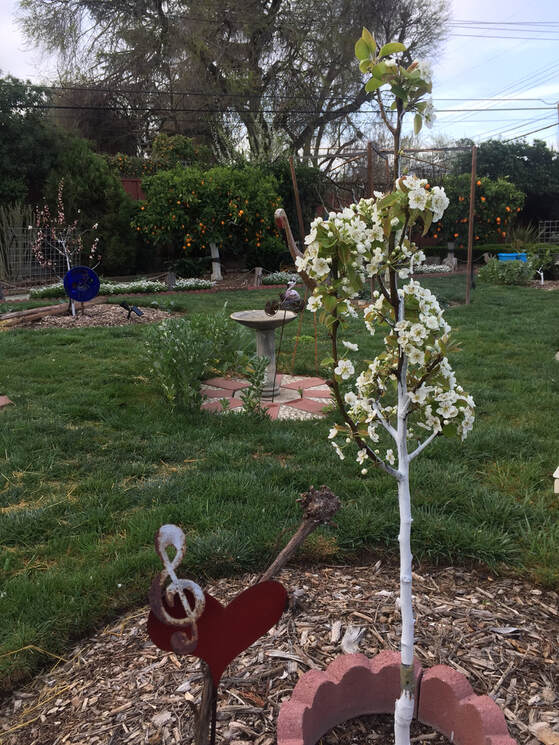
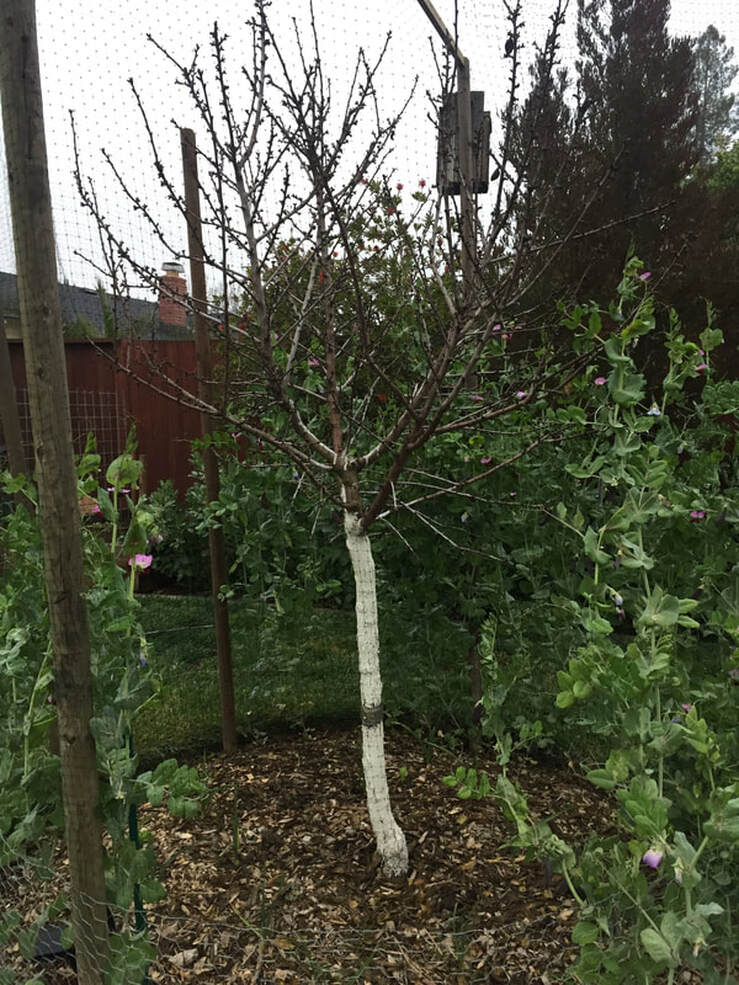


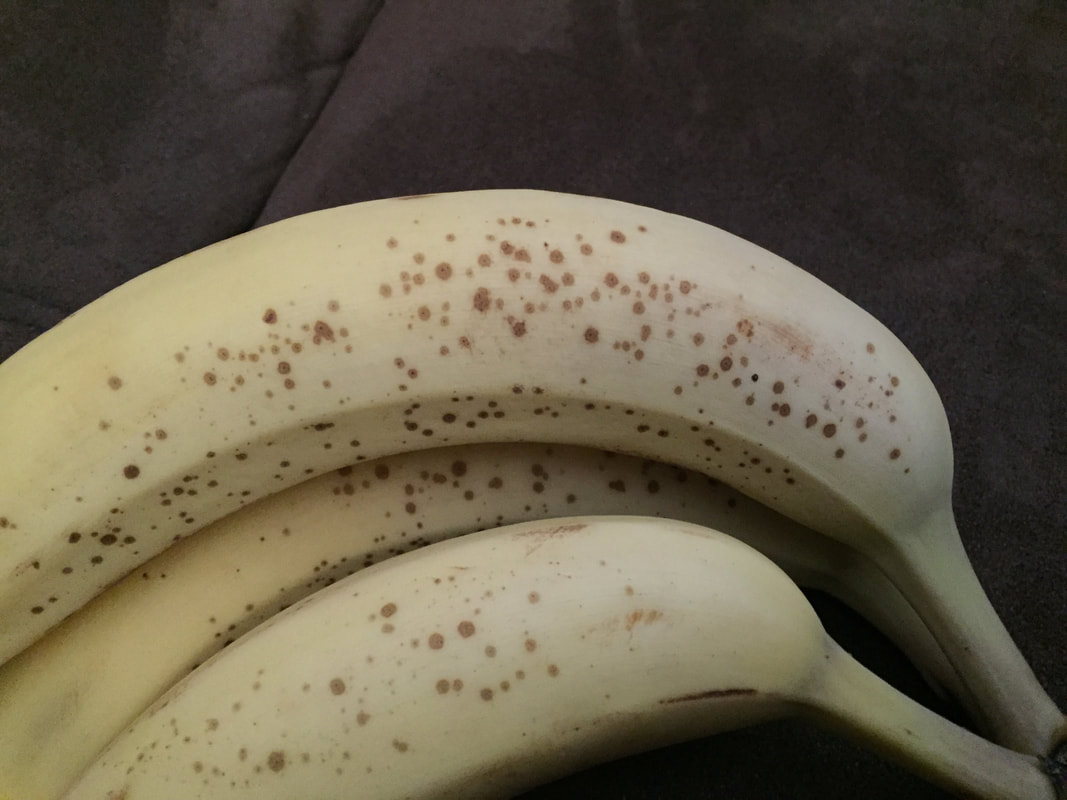
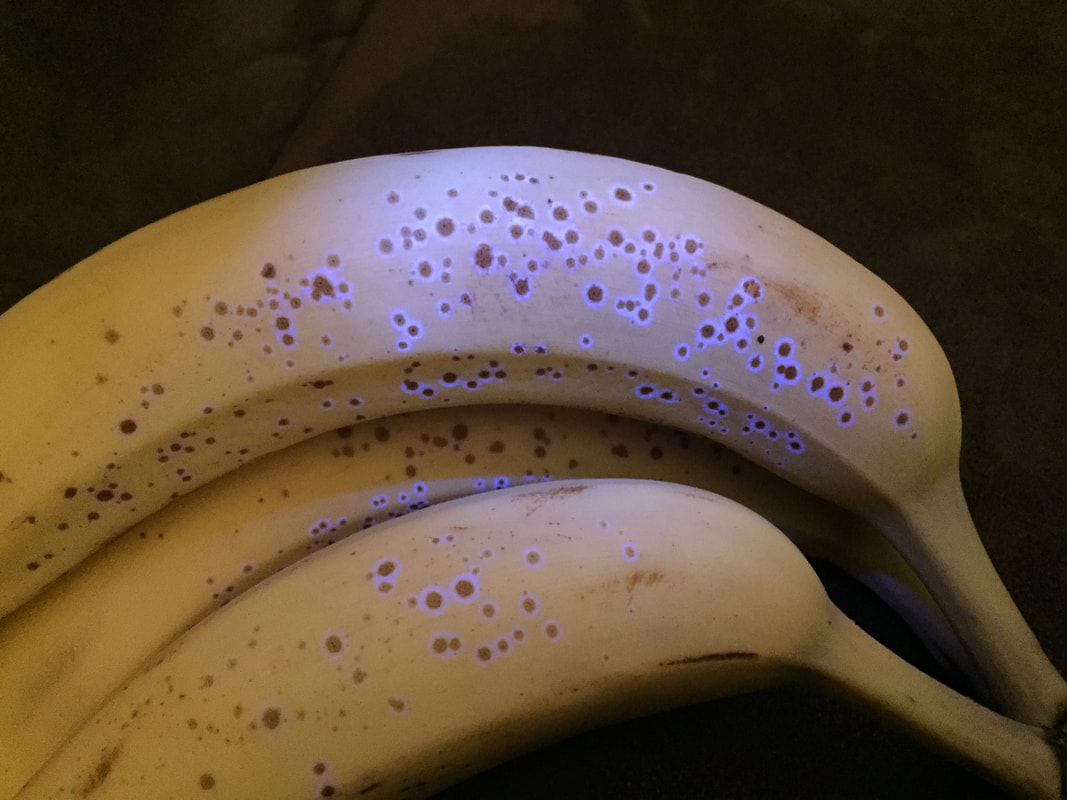
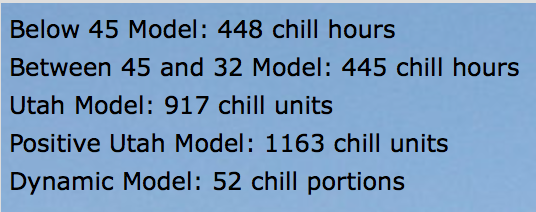


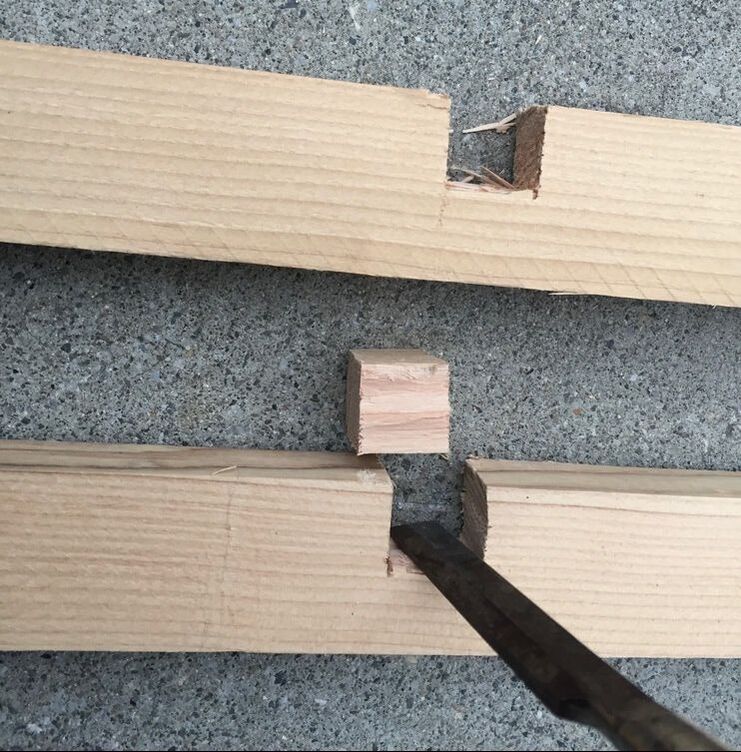
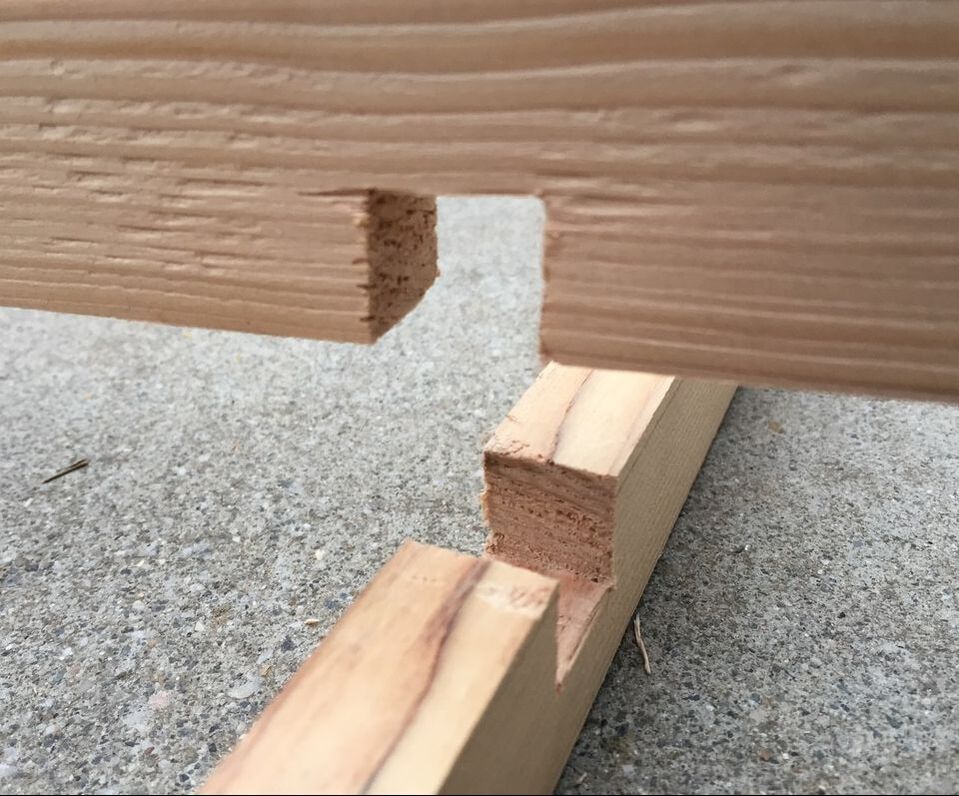
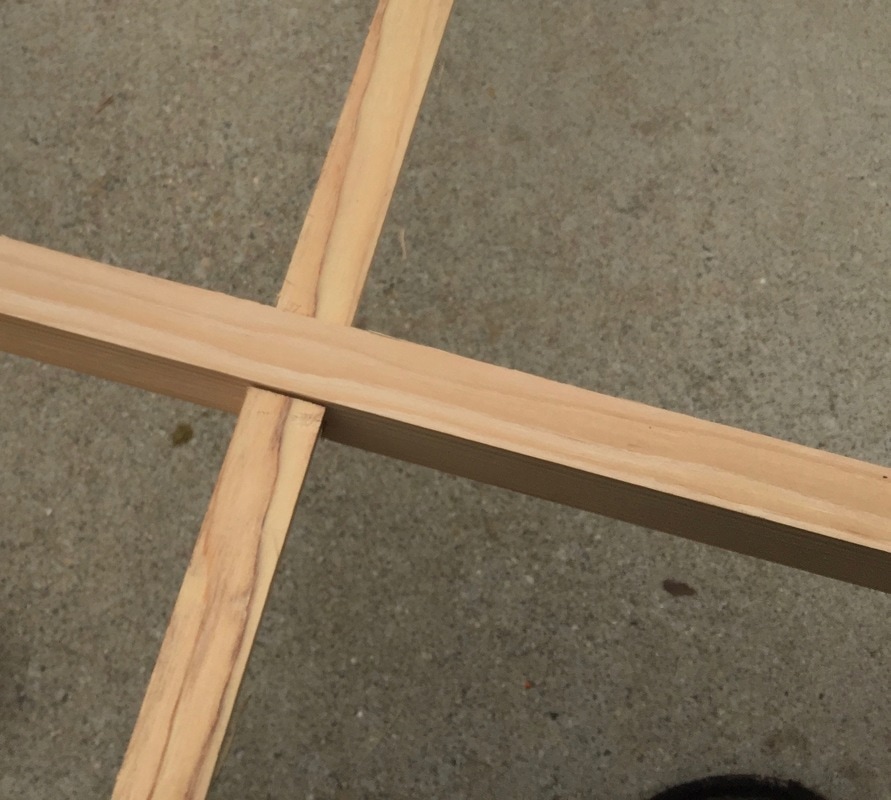
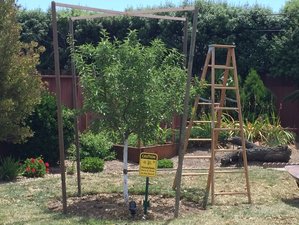
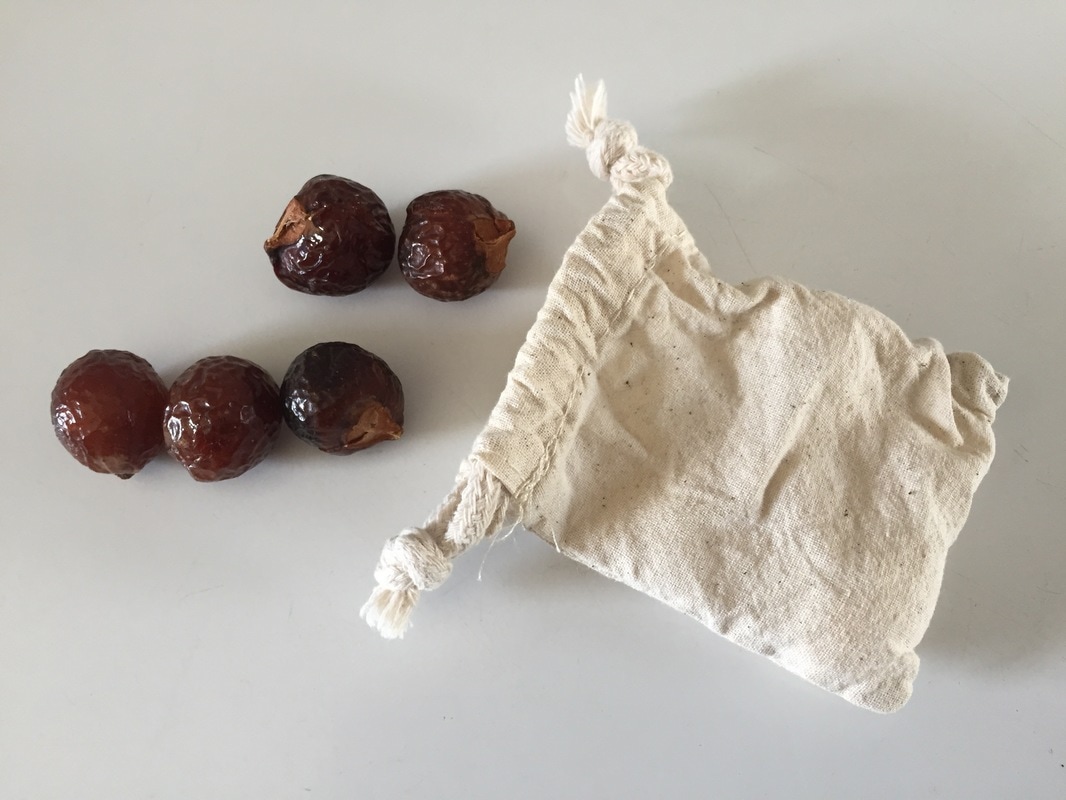
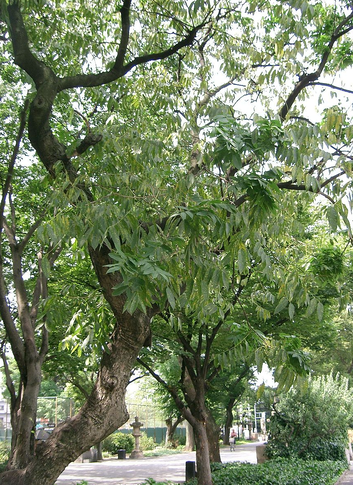


 RSS Feed
